Category:
Geopolitical AnalysisUS-Pakistan Rare Earths Deal: New Geopolitical Frontier
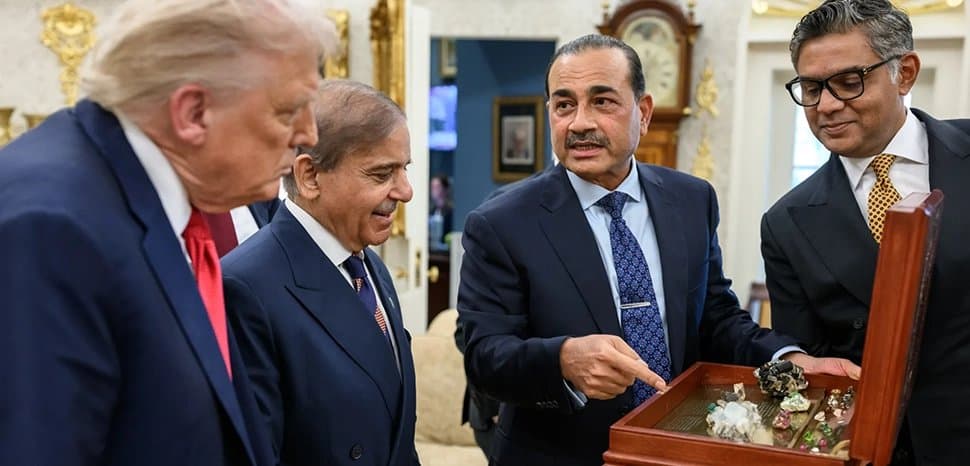
In a world increasingly driven by technology, rare earth minerals have emerged as a pivotal component in the race for global supremacy. 🌐 The recent $500 million agreement between the United States and Pakistan marks a significant step in this modern geopolitical chess game. Let's delve into the complexities of this deal and its broader implications.
A New Dawn for US-Pakistan Relations 🌅
In October 2025, Pakistan shipped its first consignment of rare earth minerals to the United States, symbolizing a new chapter in bilateral trade relations. This deal is not just about minerals; it's about strengthening supply chain resilience at a time when geopolitical tensions are high.
The Economic Potential and Challenges
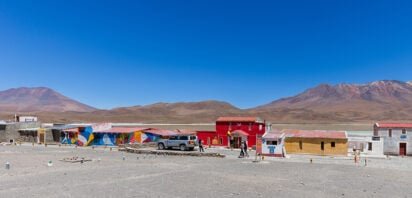
Pakistan boasts mineral reserves estimated at a staggering $6 trillion, spanning 230,000 square miles. However, tapping into these reserves is fraught with challenges. Despite possessing vast resources, Pakistan's minerals sector contributes a mere 3.2% to its GDP, highlighting an underutilized potential.
Why the Delay in Exploitation? 🤔
Despite dire economic needs, Pakistan has struggled to harness its mineral wealth. The lack of internationally recognized geological data, such as JORC or NI 43-101 standards, raises doubts about the true value of these reserves. This opacity poses a significant barrier to attracting foreign investment.
The China Factor: An Intricate Web of Influence 🇨🇳
China, a dominant player in the rare earths market, has invested heavily in Pakistan through the China-Pakistan Economic Corridor. Yet, these investments have not translated into a thriving minerals sector. Projects like the Saindak copper mine have faced criticism for poor local benefits and environmental degradation.
Strategic Implications for the United States 🇺🇸
While the US deal with Pakistan is promising, it does not negate the country's dependency on China for minerals refining. With China controlling 92% of the world's refining capacity, the US must tread carefully to avoid exacerbating its strategic vulnerabilities.
Overcoming Technological and Bureaucratic Hurdles
Pakistan's mining industry suffers from outdated technology and complex regulatory frameworks. The decentralization of power following the 18th constitutional amendment in 2010 has further complicated the landscape, granting provinces considerable autonomy over their resources.
Looking Ahead: The Road to 2028 🚀
By 2028, the US and Pakistan aim to significantly scale up their mining projects. However, the path is fraught with obstacles, from technological inefficiencies to geopolitical tensions. The success of this endeavor hinges on overcoming these barriers and establishing a sustainable framework for cooperation.
Conclusion: A Strategic Balancing Act ⚖️
The US-Pakistan rare earths deal is a bold move in the global strategic landscape. While it holds the promise of economic and strategic gains, the journey is riddled with challenges that require careful navigation. As the world watches, the success of this partnership could redefine geopolitical alignments in the years to come.
Stay tuned for more insights on geopolitics and international relations as these developments unfold. 📈
You May Also Like

Geopolitical Analysis
The Ticking Clock in West Azerbaijan: A Geopolitical Analysis
March 30, 2026
Geopolitical Analysis
Indonesia's Role in Global Power Dynamics
March 30, 2026
Geopolitical Analysis
Caracas Falls: Geo-Political Shifts Explained
March 30, 2026

Geopolitical Analysis
The Trump Corollary: Gunboat Diplomacy Resurfaces
March 30, 2026