Category:
Geopolitical AnalysisThe Trump Corollary: Gunboat Diplomacy Resurfaces
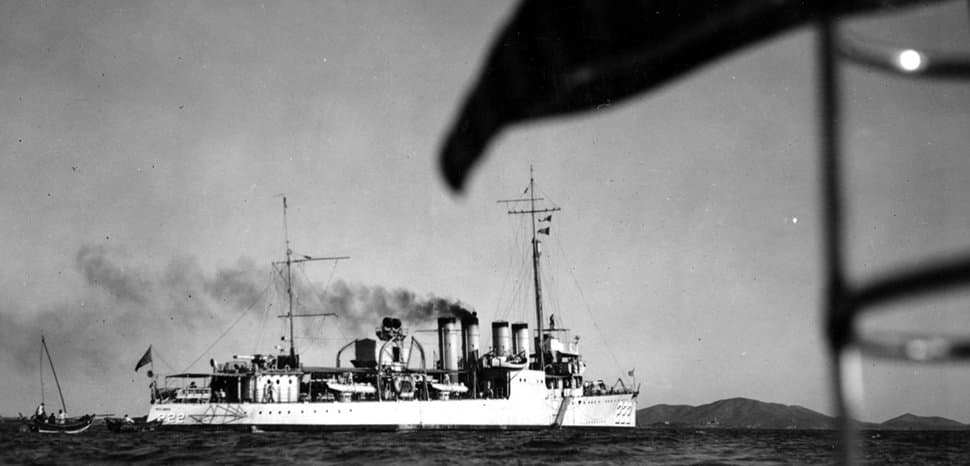
In the early 20th century, Theodore Roosevelt famously advised, “speak softly and carry a big stick.” This philosophy, known as gunboat diplomacy, emphasized diplomacy backed by military might. After a long dormancy, the Trump administration has revived this approach, signaling a significant shift in American foreign policy, particularly in the Americas.
A Historical Perspective
Gunboat diplomacy traditionally relied on naval power to influence weaker nations without resorting to war. European powers and the United States used this strategy extensively in the 19th century to enforce debts and secure concessions. The concept involves displaying military strength to create asymmetric bargaining scenarios where non-compliance could lead to immediate consequences.
The Trump Administration's Revival
In November 2025, the Trump administration announced the "Trump Corollary to the Monroe Doctrine," allowing military action to restore American dominance in the Western Hemisphere. This declaration marked a return to coercive diplomacy, adjusted for the 21st century. The administration's intervention in Venezuela exemplified this strategy, with military actions undertaken to influence political outcomes.
The Venezuelan Conundrum
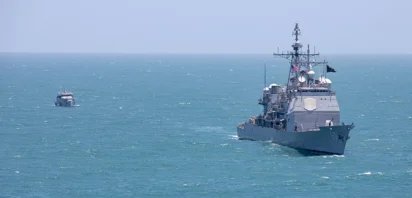
In January 2026, a significant inflection point occurred when U.S. forces conducted a large-scale strike in Caracas, capturing Nicolás Maduro. This decisive action was part of a broader strategy involving multiple strikes on drug vessels and an oil quarantine. The operation was meticulously planned, with U.S. military assets poised in the Caribbean and Eastern Pacific.
The Impact on Venezuela
The capture of Maduro and the installation of Delcy Rodríguez as interim president underscored the U.S.'s intent to exert control over Venezuela's governance. Rodríguez was tasked with aligning Venezuelan policies with U.S. interests, especially in counter-narcotics and energy. This arrangement illustrates a modern twist on gunboat diplomacy, where the focus is on controlling decision-making rather than direct rule.
Strategic Implications and Global Trends
The resurgence of gunboat diplomacy reflects a broader trend of declining faith in multilateral institutions. As global power dynamics shift and trust in international norms wanes, nations are increasingly resorting to unilateral actions. This shift is evident in the U.S.'s approach to Venezuela, where military might and economic pressure are used to achieve strategic objectives.
The Future of U.S. Foreign Policy
The Trump administration's strategy in the Americas raises questions about the future of U.S. foreign policy. Will other regions see similar tactics? How will this approach affect America's relationships with global powers like China and Russia? As the international community grapples with these questions, the implications of the Trump Corollary will continue to unfold.
Conclusion
The revival of gunboat diplomacy under the Trump administration marks a significant shift in U.S. foreign policy. By leveraging military strength to influence political outcomes, the U.S. aims to reassert its influence in the Western Hemisphere. As this strategy evolves, its impact on international relations and global stability remains to be seen. The Trump Corollary, while controversial, highlights the enduring influence of hard power in global diplomacy.
You May Also Like
Geopolitical Analysis
The Ticking Clock in West Azerbaijan: A Geopolitical Analysis
March 30, 2026
Geopolitical Analysis
Indonesia's Role in Global Power Dynamics
March 30, 2026
Geopolitical Analysis
Caracas Falls: Geo-Political Shifts Explained
March 30, 2026

Geopolitical Analysis
European Digital Sovereignty: A Defining Moment
March 30, 2026