Category:
Geopolitical AnalysisCaracas Falls: Geo-Political Shifts Explained
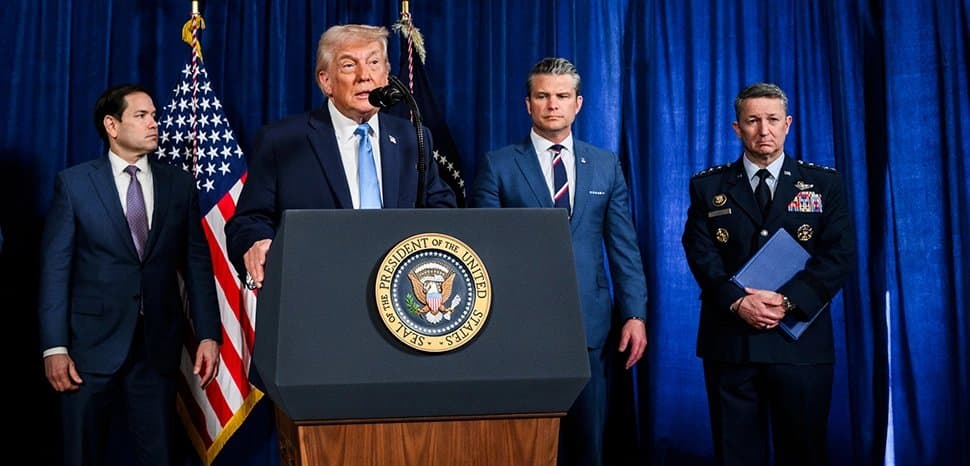
In a stunning turn of events, the arrest of Nicolás Maduro during a United States military raid has sent ripples through the geopolitical landscape. This unexpected development in Caracas marks a significant moment in international politics, intertwining issues of sovereignty, energy security, and global power dynamics.
The Historical Backdrop of Venezuela’s Crisis
Venezuela, once Latin America's wealthiest petrostate, has been on a downward spiral for decades. The nation holds the world's largest proven oil reserves, yet by 2025, oil production plummeted to below one million barrels per day, a stark contrast to over three million in the late twentieth century. The mismanagement of oil resources has been a double-edged sword—fueling the economy while simultaneously leading to corruption and financial instability.
Hyperinflation reached astronomical heights in the late 2010s, causing a mass exodus of over eight million Venezuelans, the largest displacement crisis in the Western Hemisphere's history. The Maduro regime, buoyed by military support and foreign allies, faced widespread international condemnation for human rights abuses, including systematic torture and extrajudicial killings.
Sovereignty and the Use of Force
The recent intervention raises crucial questions about sovereignty and international law. The United States justified its actions by framing Maduro as a criminal rather than a legitimate head of state, likening the situation to Panama's Noriega in 1989. However, history cautions against such interventions, as seen in Iraq and Libya, where toppling regimes led to prolonged instability and violence.
The Immediate Aftermath in Caracas
In Caracas, the political scene remains volatile. Maduro’s detention has not dismantled the entrenched power structures. Key figures from the Chavista regime still hold sway, leading to competing claims of authority. Without a clear path to legitimate elections reflecting the disputed 2024 vote, governance remains uncertain.
Humanitarian and Regional Impacts
The humanitarian crisis in Venezuela is dire. The nation's infrastructure is crumbling, with the electricity grid and healthcare system on the brink of collapse. The military intervention risks exacerbating shortages of essential supplies, potentially causing further displacement into neighboring countries like Colombia and Brazil.
The regional response has been mixed. Some governments support Maduro's removal, while others decry it as a breach of international norms. The United Nations warns that such actions could set a dangerous precedent, undermining international law.
Global Implications and Energy Politics
For global powers like Russia and China, the fall of Maduro is a strategic loss. Both nations have heavily invested in Venezuela through oil deals and military cooperation. For China, losing oil exports at discounted prices is a blow to its energy security strategy.
The intervention also highlights the United States' enduring influence in its hemisphere, albeit at a cost. The move has stirred debate about the selective adherence to international law, challenging middle powers like Australia to navigate the complexities of a rules-based order.
Conclusion: A Cautionary Tale
The situation in Venezuela serves as a cautionary tale about the complexities of international intervention. While the desire to remove authoritarian regimes is understandable, the path forward must prioritize institution-building over resource extraction. Only then can Venezuela break free from its cycle of wealth without development and achieve sustainable governance.
As the world watches, the unfolding events in Caracas will undoubtedly shape the future of international relations and energy politics. The global community must tread carefully, balancing the pursuit of geopolitical interests with the preservation of international norms.
You May Also Like
Geopolitical Analysis
The Ticking Clock in West Azerbaijan: A Geopolitical Analysis
March 30, 2026
Geopolitical Analysis
Indonesia's Role in Global Power Dynamics
March 30, 2026
Geopolitical Analysis
The Trump Corollary: Gunboat Diplomacy Resurfaces
March 30, 2026

Geopolitical Analysis
European Digital Sovereignty: A Defining Moment
March 30, 2026