Category:
Geopolitical AnalysisUnderstanding Trump's Foreign Policy Guardrails
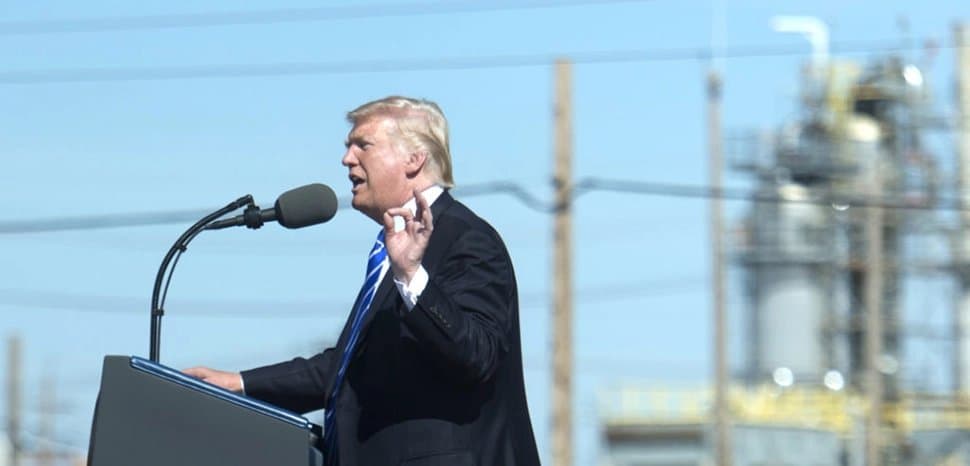
Introduction: A New Era of Foreign Policy 🎬
The second Trump administration marked a significant shift in foreign policy dynamics. While the core priorities remained consistent with the first term, such as fostering economic self-reliance and rebalancing trade partnerships, the execution strategy evolved dramatically. This era saw a departure from established norms, emphasizing unilateral actions and bold assertions of American power.
Breaking Away from Tradition 🔥
Traditionally, international relations have been governed by legal and behavioral norms, providing a predictable framework for diplomacy and commerce. The second Trump administration, however, opted for a less conventional approach, challenging these norms with actions such as the consideration of annexing Greenland by force and undermining the World Trade Organization's role in global trade. This shift raises questions about the predictability and stability of international engagements.
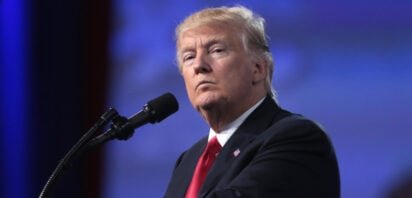
Polling and Public Opinion: The Feedback Loop 🔄
Public opinion often plays a crucial role in shaping a democratic state's foreign policy. However, the Trump administration exhibited a unique resilience to public sentiment, as evidenced by the stark opposition to its Greenland strategy—75% of Americans opposed the idea. Similarly, policies like the Ukraine approach and tariff impositions saw significant public disapproval, yet the administration proceeded undeterred.
The Role of Public Opinion 📊
- Greenland Strategy: 75% opposition
- Tariff Policies: 61% disapproval
- Ukraine Engagement: 59% skepticism
- Venezuela Involvement: 72% concern
These statistics illustrate a disconnect between public sentiment and executive action, suggesting a possible delay in the feedback loop that typically informs policy adjustments.
Strategic Implications and Global Relations 🌎
The administration's actions have broad implications for global relations. By eschewing traditional diplomatic channels, the U.S. risks fostering zero-sum dynamics and instability. This approach has been evident in various conflict zones, including Myanmar, the Democratic Republic of Congo, Sudan, and Ukraine, where the absence of predictability complicates international cooperation.
The Path Forward: Analyzing Risks and Opportunities 🔍
To navigate the complexities of this new foreign policy landscape, stakeholders must adopt creative strategies and assess risks on a case-by-case basis. The evolving corpus of decisions and strategies provides valuable insights into the administration's decisive variables, allowing for more informed predictions.
Key Considerations for Future Analysis:
- Individual Decision-Making: Concentrated power requires careful risk assessment.
- Normative Frameworks: Understanding the impact of deviating from norms.
- Public Opinion Dynamics: Monitoring the delayed feedback loop's effects.
Conclusion: Moving Beyond the Status Quo ✨
The second Trump administration's foreign policy guardrails highlight the challenges and opportunities of a non-traditional approach to international relations. As global dynamics continue to evolve, understanding the implications of these strategies becomes critical for policymakers, analysts, and stakeholders worldwide. Future engagements will require a balance between innovative thinking and adherence to the principles that ensure global stability.
In summary, the administration's actions underscore the importance of strategic foresight and adaptability in navigating an increasingly complex geopolitical landscape.
You May Also Like

Geopolitical Analysis
The Ticking Clock in West Azerbaijan: A Geopolitical Analysis
March 30, 2026
Geopolitical Analysis
Indonesia's Role in Global Power Dynamics
March 30, 2026
Geopolitical Analysis
Caracas Falls: Geo-Political Shifts Explained
March 30, 2026

Geopolitical Analysis
The Trump Corollary: Gunboat Diplomacy Resurfaces
March 30, 2026