Category:
Geopolitical AnalysisTrump, Iran, and Israel: Complex Geopolitical Dynamics
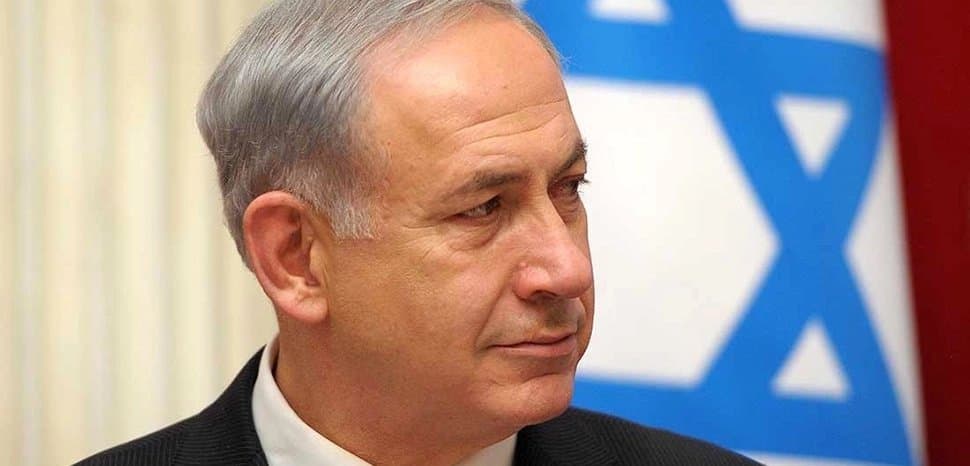
The intricate geopolitical landscape involving Trump, Iran, and Israel presents a multifaceted picture of power, strategy, and survival. This analysis delves into the underlying tensions and alliances that shape the Middle East's current state, drawing insights from both liberal and realist perspectives.
The Existential Threat to Israel
Since October 7, 2023, Israel has been navigating an environment where existential threats are more than theoretical. The very geography of Israel is surrounded by adversaries, each backed by Iran, with a singular objective: Israel's elimination. From Hezbollah's vast rocket arsenal aimed south from Lebanon to Hamas' violence from Gaza, the threats are palpable.

In this context, the sirens in Tel Aviv are not just warnings; they symbolize a harsh reality where survival strategies are debated. The liberal and realist schools of thought offer contrasting approaches to these challenges.
Liberal vs. Realist Perspectives
The liberal perspective argues for addressing the root causes of conflict through political solutions and interdependence. This viewpoint suggests that by stripping Iran of its narrative as a defender of the Palestinian cause, the strategic utility of its proxies weakens. This approach, however, faces significant political and practical hurdles.
Conversely, the realist perspective focuses on power dynamics. It views Iran's support for groups like Hezbollah as strategic rather than ideological. The realist argument emphasizes the need for credible deterrents and robust military capabilities to counter threats. This pragmatic approach resonates deeply in Israel, where security is paramount.
Trump's Maximum Pressure Campaign
Donald Trump's "maximum pressure" campaign on Iran is interpreted differently in Tel Aviv compared to Western capitals. For many Israeli analysts, the campaign is a structural strategy aimed at weakening Iran's financial and military capabilities. By tightening sanctions and limiting Iran's resources, the campaign seeks to diminish Iran's ability to support its proxies and pursue its nuclear ambitions.
This strategy, while fraught with regional complexities, aligns with the realist approach of maintaining a balance of power. The resulting regional fractures, such as Lebanon's governance challenges and Iraq's divided loyalties, are seen as inevitable consequences of unresolved tensions.
The Abraham Accords: A New Strategy?
The Abraham Accords, normalizing relations between Israel and several Arab states, represent a strategic shift. These agreements bypass the Palestinian issue, focusing instead on shared threats and interests. While this approach builds a coalition around common concerns, its sustainability remains a point of contention.
Conclusion: A Complex Geopolitical Chessboard
In the ongoing debate between liberal and realist strategies, Israel continues to navigate a complex geopolitical landscape. The interplay of power, survival, and diplomacy makes this region a critical focal point in international relations. As the dynamics evolve, the world watches closely, aware that the outcomes here could reverberate globally.
The wars behind the war are not just battles of missiles and rhetoric, but of ideologies and survival strategies. Understanding these layers is crucial for comprehending the broader geopolitical picture.
You May Also Like

Geopolitical Analysis
US Export Controls and China's AI Stack Strategy
March 30, 2026
Geopolitical Analysis
After the Fire: Lessons from Hiroshima and Nagasaki
March 30, 2026
Geopolitical Analysis
China's Electrostate: Impact on Global South
March 30, 2026
Geopolitical Analysis
Geopolitics Weekly: US-Israel Iran War Analysis
March 30, 2026