Category:
Geopolitical AnalysisGeopolitics Weekly: US-Israel Iran War Analysis
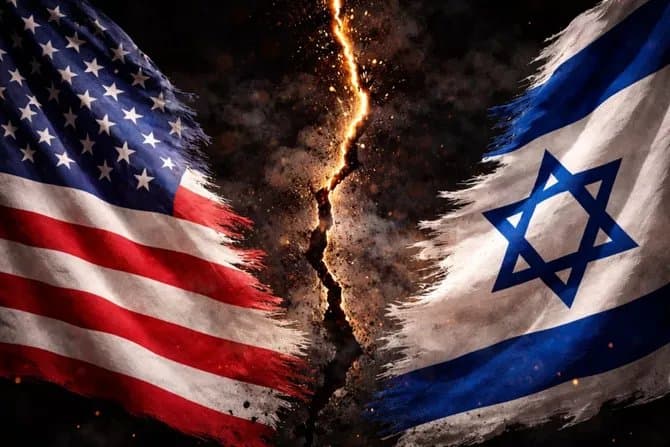
The intricate web of global politics is ever-changing, with critical developments shaping the geopolitical landscape each week. 🌍 This analysis delves into the ongoing US-Israel Iran conflict, its impact on global food prices, and the strategic redeployment of THAAD in East Asia.
The Escalating US-Israel Iran Conflict 🔥
The tension between the US, Israel, and Iran has been a constant fixture in international relations. Over recent weeks, the potential for conflict has intensified due to several geopolitical maneuvers and strategic posturing.
Key Drivers of Conflict
- Military Deployments: The US has bolstered its military presence in the Middle East, signaling a readiness to protect its interests and allies. Israel, similarly, has increased its defense activities in anticipation of potential Iranian aggression.
- Political Rhetoric: Heightened political rhetoric from both the US and Iran has fueled tensions, creating an atmosphere ripe for miscalculation.
- Nuclear Concerns: Iran's nuclear program remains a contentious issue, with ongoing debates over its intentions and capabilities.
These developments have wide-ranging implications for regional stability and global security. An escalation could disrupt oil supplies, affecting global markets and economic stability.
Global Food Prices on the Rise 📈
The geopolitical tensions are not just limited to military concerns; they have a profound impact on global economics, particularly food prices. The Middle East is a significant player in the oil market, and any disruption can lead to skyrocketing prices, affecting transportation and production costs globally.
Economic Impacts
- Inflationary Pressures: Rising food prices contribute to increased inflation rates, affecting purchasing power worldwide.
- Supply Chain Disruptions: Conflicts in key regions can disrupt supply chains, leading to delays and increased costs.
These economic challenges necessitate strategic planning by governments and businesses to mitigate impacts and ensure food security.
THAAD Redeployment: Strategic Implications ⚡
The redeployment of the Terminal High Altitude Area Defense (THAAD) system in East Asia underscores the shifting defense priorities in the region. This move is part of a broader strategy to counter potential threats from North Korea and to reassure allies of US commitment to regional security.
Geopolitical Significance
- Deterrence: THAAD serves as a deterrent against missile threats, enhancing regional security.
- Allied Assurance: The redeployment reassures US allies of its strategic commitment, strengthening alliances.
This development is critical in the context of rising tensions on the Korean Peninsula and the broader Indo-Pacific region.
Conclusion: Navigating a Complex Landscape 🌐
As geopolitical tensions continue to evolve, it is imperative for nations to adopt a balanced approach, considering both security and economic impacts. The US-Israel Iran conflict, rising food prices, and THAAD redeployment are just a few pieces of a complex puzzle that requires careful navigation. Policymakers must prioritize diplomacy and strategic partnerships to maintain stability and foster global peace.
Stay informed and engaged with the latest geopolitical developments to understand their broader implications on global affairs.
You May Also Like

Geopolitical Analysis
After the Fire: Lessons from Hiroshima and Nagasaki
March 30, 2026
Geopolitical Analysis
China's Electrostate: Impact on Global South
March 30, 2026

Geopolitical Analysis
Global Antimony Supply: A Geopolitical Analysis
March 30, 2026
Geopolitical Analysis
Oil Geopolitics: Iran's Strategic Shift
March 30, 2026