Category:
Geopolitical AnalysisChina's Electrostate: Impact on Global South
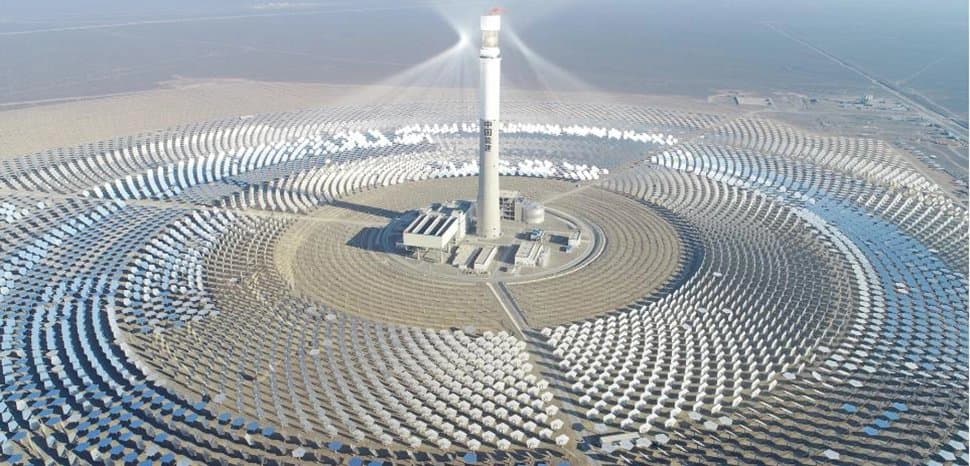
China's rapid ascension as a dominant player in the global clean-energy market is reshaping geopolitical dynamics, particularly impacting countries in the Global South. As China continues to expand its influence as an 'electrostate,' a term coined by scholars for its control over energy infrastructure, the implications of this shift are profound and multifaceted.
The Rise of China's Electrostate 🌟
In recent years, China's clean-energy exports have skyrocketed, reaching approximately $145 billion in 2025, a significant jump from $32 billion in 2018. This growth is not confined to solar panels alone, with China also commanding a substantial share of the global wind turbine and electric vehicle markets. With an 80% share in global solar panel production and a 60% share in wind turbine production, China is in a unique position to influence global market pricing.
Asymmetric Dependencies: A New Geopolitical Reality
The concept of asymmetric dependency, first theorized by Keohane and Nye, describes a situation where one state becomes more dependent on another, thus altering the balance of power. For countries in the Global South, such as Pakistan, this has become a reality. In 2025, Pakistan imported 51.5 gigawatts of Chinese solar modules, illustrating a significant dependency on China for its energy needs. This dependency creates a lock-in effect, making it challenging and costly for these countries to switch suppliers.
Implications for the Global South 📈
The increasing dependency on Chinese clean-energy products has significant geopolitical implications. Many Global South countries have traditionally maintained a neutral stance in global power dynamics, benefiting from relationships with both Western and Eastern powers. However, this dependency on China could disrupt their hedging strategies, forcing them to align more closely with Chinese policies.
Strategic Concerns and Future Outlook
The geopolitical landscape is changing rapidly, and the Global South's reliance on China for clean energy could lead to future complications. These countries may find themselves compelled to support China's political agendas, such as its Taiwan policy, due to their energy dependencies.
Moreover, the environmental and economic benefits of this relationship are tempered by the risk of losing autonomy in foreign policy decisions. As China continues to strengthen its soft power influence, the Global South must navigate these complex dynamics carefully.
Conclusion: Navigating a New World Order 🌍
As China's role as an electrostate grows, countries in the Global South face both opportunities and challenges. While the shift towards clean energy aligns with global sustainability goals, the geopolitical implications of asymmetric dependency cannot be ignored. For these nations, strategic planning and diversification of energy sources will be crucial in maintaining sovereignty and flexibility in international relations.
In the coming years, the Global South must balance its energy needs with its geopolitical strategies to ensure a sustainable and independent future.
You May Also Like

Geopolitical Analysis
After the Fire: Lessons from Hiroshima and Nagasaki
March 30, 2026

Geopolitical Analysis
Geopolitics Weekly: US-Israel Iran War Analysis
March 30, 2026
Geopolitical Analysis
Global Antimony Supply: A Geopolitical Analysis
March 30, 2026
Geopolitical Analysis
Oil Geopolitics: Iran's Strategic Shift
March 30, 2026