Category:
Geopolitical AnalysisAfter the Fire: Lessons from Hiroshima and Nagasaki
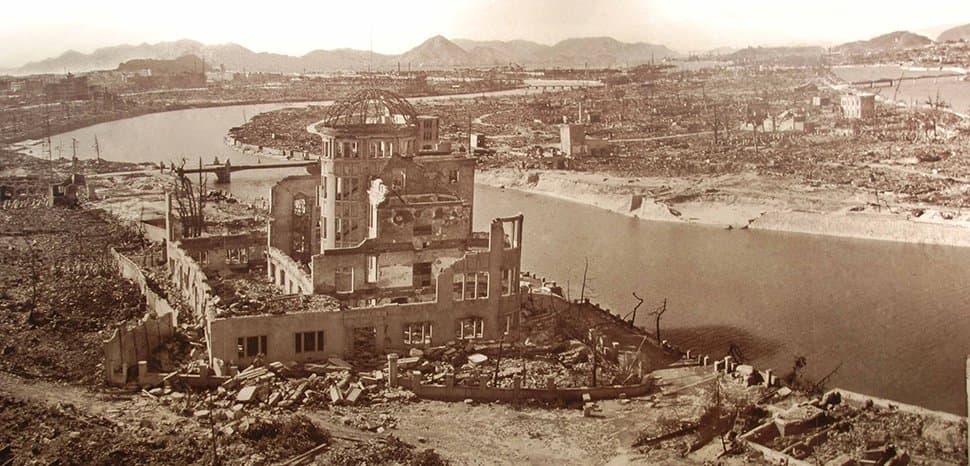
A Wake-Up Call from History 🔥
Eighty years ago, the world witnessed the devastating atomic bombings of Hiroshima and Nagasaki—events that reshaped geopolitical landscapes and left indelible marks on global consciousness. Yet, as we navigate the complexities of modern-day international relations, these historical warnings seem to fade into oblivion, overshadowed by current geopolitical tensions and environmental crises.
The Immediate Aftermath and Lingering Impact
The sheer scale of destruction in Hiroshima and Nagasaki was unprecedented. By the end of 1945, approximately 140,000 people had perished in Hiroshima, with another 70,000 in Nagasaki due to the immediate effects of the blasts and radiation exposure. Beyond the immediate horrors, survivors faced lifelong health challenges, including cancer and genetic damage, compounded by the collapse of healthcare systems.

Community Resilience: A Lesson in Survival
In the wake of obliterated infrastructure and overwhelmed medical facilities, communities in both cities turned to each other for support. Neighbors became first responders, improvising care networks that sustained many in the absence of formal systems. This resilience underscores a critical lesson: public health infrastructures are vulnerable to rapid collapse under extreme stress, highlighting the importance of community-based resilience strategies.
Global Health and Environmental Consequences
Unlike conventional disasters, nuclear detonations create long-lasting global health and environmental challenges. The potential for a "nuclear winter" scenario looms large, where even a limited nuclear conflict could inject enough soot into the atmosphere to trigger drastic climate changes. Such conditions could lead to widespread agricultural failures, threatening food security and increasing susceptibility to diseases due to malnutrition.
Climate Change and Nuclear Threats: A Dangerous Synergy 🌍
The intersection of climate change and nuclear threats amplifies the risk landscape. Rising temperatures, frequent heatwaves, and sea-level rise are already taxing global health systems. Introducing nuclear conflict into this volatile mix could precipitate the collapse of public health infrastructures worldwide, a scenario that demands urgent attention.
Weakening Arms Control Frameworks
In recent years, critical arms control agreements have unraveled, raising alarms about a potential new arms race. The dissolution of the Intermediate-Range Nuclear Forces (INF) Treaty in 2019 marked a significant setback. The upcoming expiration of the New START Treaty in 2026 poses further risks, as it represents the last major constraint on the world's largest nuclear arsenals, those of the United States and Russia.
The Role of Diplomatic Efforts
Despite these challenges, diplomatic initiatives persist. The Nuclear Non-Proliferation Treaty (NPT) remains a cornerstone of global disarmament efforts, with almost 200 nations committed to limiting nuclear proliferation. Yet, critics argue that more robust timelines and mechanisms are needed to fulfill disarmament obligations, prompting calls for renewed commitment to the treaty's goals.
Call to Action: Remembering for the Future
As memories of Hiroshima and Nagasaki fade, they must be reignited to serve as a beacon for policy development. The lessons learned from these tragedies should inform contemporary security frameworks, ensuring that the horrors of the past are not revisited. Moving forward, the global community must prioritize cooperative disarmament efforts and strengthen resilience against both nuclear and climate threats.
By embracing these lessons, we can hope to build a safer world, where the specter of nuclear catastrophe is a relic of the past, not a looming threat.
Conclusion: Building a Safer World 🌟
Reflecting on Hiroshima and Nagasaki, the world must recognize the intertwined nature of nuclear and climate threats. Strengthening international cooperation, enhancing community resilience, and revitalizing disarmament efforts are vital steps towards safeguarding the future. Only by heeding the warnings of history can we aspire to a world that genuinely prioritizes peace and security.
You May Also Like

Geopolitical Analysis
US Export Controls and China's AI Stack Strategy
March 30, 2026
Geopolitical Analysis
China's Electrostate: Impact on Global South
March 30, 2026
Geopolitical Analysis
Geopolitics Weekly: US-Israel Iran War Analysis
March 30, 2026

Geopolitical Analysis
Global Antimony Supply: A Geopolitical Analysis
March 30, 2026