Category:
Geopolitical AnalysisMapping the RSF Economy: From Darfur to Dubai

Sudan's Rapid Support Forces (RSF) have orchestrated one of the most financially successful non-state economies in existence today. This intricate war economy, led by Mohamed Hamdan Dagalo, better known as Hemedti, is not just a regional phenomenon but a geopolitical puzzle with far-reaching impacts.
The RSF's Economic Arsenal
The RSF economy is fortified by a diverse array of revenue streams, estimated to bring in between $1 to $2 billion annually. These revenues are primarily sourced from:
- Gold Mining: The RSF's most significant income comes from gold mining. In 2024, Darfur mines alone generated approximately $860 million.
- Narcotics Production: Following the collapse of Syria's Captagon industry in late 2024, Sudan has emerged as a major player, with production in RSF-controlled areas increasing fourteen-fold.
- Agricultural Plunder and Livestock Trade: These activities contribute significantly to the RSF's financial muscle.
- Checkpoint Taxation: This involves leveraging control over key routes to extract tolls from local traders.
- Patronage from the UAE: Substantial financial support from the United Arab Emirates bolsters their economic base.
Gold: The RSF's Golden Goose
Gold remains the RSF's dominant revenue source. With Sudan producing 70 to 90 tonnes of gold annually, a significant portion is smuggled. The RSF's control over this resource has shifted over time, particularly following the outbreak of war in April 2023.
Shifting Gold Geographies
Previously, Jebel Amer in North Darfur was a critical site for the RSF. However, it has since been compromised due to intensive airstrikes by Sudanese Armed Forces (SAF). The focus has now moved to the Songo mines in South Darfur, where the Dagalo family's Al-Junaid Multi Activities Company resumed operations by late 2025.
RSF's Operational Modes
Chatham House identifies three main operational modes for the RSF:
- Direct Mining: Through Al-Junaid, the RSF directly exploits mining resources.
- Protection Rackets: They force artisanal miners to sell their gold through RSF-controlled channels.
- Local Units: Smaller RSF units engage in extortion and extraction at a more localized scale.
The Human Cost
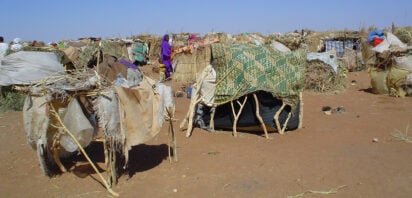
The economic activities of the RSF have had severe humanitarian consequences. Over 12 million Sudanese have been displaced, and the situation in Darfur has escalated to what the United States has classified as genocide.
Broader Geopolitical Implications
The RSF's economic model is not just a Sudanese issue but a matter of regional stability. The vacuum left by Syria's decline in narcotics production has enabled Sudan to become a key player in the drug trade, impacting markets across the Middle East and beyond.
Future Outlook
As Sudan continues to fill the gaps left by other destabilized regions, the international community faces a complex challenge. Monitoring and regulating the RSF's economic activities will be crucial in preventing further regional destabilization.
Conclusion: A Complex Geopolitical Landscape
The RSF's economic strategies highlight the intricate links between conflict, resources, and geopolitics. Understanding these dynamics is essential for crafting effective international policies. The situation remains dynamic, with potential implications for global security and humanitarian efforts.
In conclusion, the RSF's economy is not merely a regional issue but a global concern with significant geopolitical implications. Stakeholders must remain vigilant and proactive in addressing these challenges to foster stability in the region.
You May Also Like
Geopolitical Analysis
The Ticking Clock in West Azerbaijan: A Geopolitical Analysis
March 30, 2026
Geopolitical Analysis
Indonesia's Role in Global Power Dynamics
March 30, 2026

Geopolitical Analysis
Caracas Falls: Geo-Political Shifts Explained
March 30, 2026

Geopolitical Analysis
The Trump Corollary: Gunboat Diplomacy Resurfaces
March 30, 2026