Category:
Geopolitical AnalysisIran Conflict Traps Putin in Strategic Dilemma
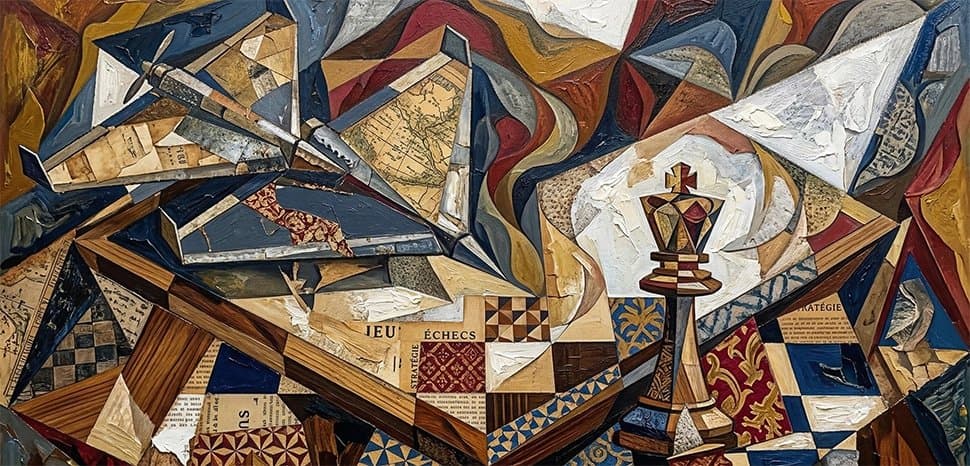
Strategic Stalemate: Russia's Geopolitical Conundrum
The ongoing conflict between Iran and the United States has placed Russian President Vladimir Putin in a precarious position reminiscent of a chess zugzwang. In this strategic bind, every possible move seems to worsen Russia's situation rather than improve it. 🕰️
Iran's Role in the Ukraine Conflict
Iran has been more than just a diplomatic ally for Moscow; it has become a crucial military partner. Early in the Ukraine war, Russia's drone capabilities were significantly inferior to those of Ukraine. The introduction of Iranian-designed Shahed drones helped to bridge this gap, playing a pivotal role in Russia's long-range strike capabilities against Ukrainian infrastructure.
Russia now manufactures these drones domestically under an Iranian license. However, this partnership is profoundly interconnected, with Russian factories relying on imported components and continuous collaboration with Iranian engineers.
Balancing Acts and Constraints
Moscow's predicament is further complicated by the geopolitical landscape. On one hand, Russia cannot afford to abandon Iran, as doing so would jeopardize a partnership that is vital for its ongoing conflict in Ukraine. On the other hand, overtly supporting Tehran risks provoking the United States, particularly under the unpredictability of figures like Donald Trump, whose willingness to escalate conflicts has made the Kremlin cautious.
The relationship between Russia and Iran is not without its strategic dividends. For example, Ukraine has become a global leader in developing counter-drone technologies, specifically designed to combat Iranian models. This has led to increased demand from Middle Eastern countries and even the Pentagon for Ukrainian defensive systems.
The Ripple Effect of Iranian Drones
Ironically, the technology Tehran supplied to Moscow is now driving a market for Ukrainian defensive solutions across the Middle East. Countries like Saudi Arabia and the United Arab Emirates are turning to Kyiv for drone-interceptor systems, seeking solutions to threats posed by drones similar to those deployed by Iran.
Potential Russian Support for Iran
The conflict introduces a troubling possibility: Iran might soon require drone supplies from Russia. Tehran is rapidly depleting its drone inventory while facing airstrikes on its manufacturing facilities. If Iran requests drones, Moscow would face a strategic dilemma: refuse and strain a crucial partnership, or supply and risk escalating tensions with the U.S. and impacting China, which relies heavily on Gulf oil exports.
The Broader Strategic Landscape
Russia's geopolitical network has been steadily eroding over the past few years. Once stable alliances in Syria and Venezuela have weakened, and now, Iran's partnership poses as many risks as benefits.
This erosion happens as Russia navigates these pressures during a particularly challenging time in its war efforts. Recent localized gains by Ukraine highlight the fragility of Russia's position and the mounting strain on its military.
Conclusion: A No-Win Situation?
In the short term, Russia might benefit from the instability in the Middle East with higher oil prices. However, strategically, the conflict forces Moscow into a series of painful decisions. Supporting Iran too openly could lead to a confrontation with Washington and destabilize key energy routes for China. Conversely, distancing from Tehran could undermine the support essential for its war in Ukraine.
In chess, a zugzwang often marks the point where the game has already turned unfavorable. For Putin, the Iran conflict may represent exactly that moment, as each move seems to lead to a disadvantageous outcome. 🕊️
You May Also Like
Geopolitical Analysis
China's Electrostate: Impact on Global South
March 30, 2026
Geopolitical Analysis
Geopolitics Weekly: US-Israel Iran War Analysis
March 30, 2026
Geopolitical Analysis
Global Antimony Supply: A Geopolitical Analysis
March 30, 2026
Geopolitical Analysis
Oil Geopolitics: Iran's Strategic Shift
March 30, 2026