Category:
Geopolitical AnalysisOil Geopolitics: Iran's Strategic Shift
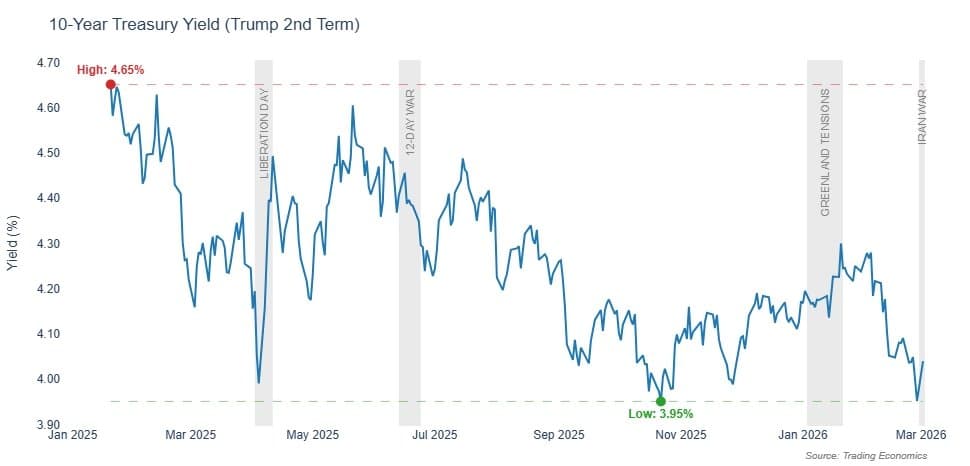
In the intricate world of geopolitics, oil remains a pivotal player, influencing not only economies but also international relations. Recent developments suggest that Iran's strategic maneuvers are set to challenge U.S. interests, particularly as Tehran pivots toward a strategy of attrition. This shift is poised to weigh heavily on global energy markets and geopolitical stability.
The Geopolitical Landscape 🌎
Iran's positioning in the Persian Gulf, a critical artery for global energy supply, places it at a strategic advantage. Approximately 30% of maritime oil shipments and 20% of global liquefied natural gas (LNG) pass through this vital corridor. As tensions escalate, Iran's ability to disrupt these supply lines becomes a significant concern for the U.S. and its allies.

Iran's Active Deterrence Strategy 🛡️
Iran has long employed an 'active deterrence' strategy, maximizing the costs for any potential aggressor through a multifaceted approach. This includes economic, military, cyber, and information warfare tactics. Iran's influence extends across the 'Axis of Resistance,' utilizing regional proxies to exert pressure and maintain its geopolitical leverage.
The Impact on Energy Infrastructure ⚙️
Recent conflicts have highlighted Iran's capacity to target energy infrastructure effectively. Strikes against U.S. allies and regional energy facilities underscore the vulnerability of global supply chains. These actions are not merely retaliatory but form part of a broader strategy to project power and influence.
Economic Volatility and Global Markets 📉
The ripple effects of these geopolitical tensions are felt across global markets. Economic volatility is exacerbated by fluctuations in energy prices, which have far-reaching implications for economies worldwide. As Iran continues to leverage its strategic position, the U.S. faces increasing pressure to respond, balancing military engagement with economic diplomacy.
Domestic Pressures and Political Landscape 🏛️
Within the U.S., there is growing political pressure to reassess military strategies in the Middle East. Public opinion, wary of prolonged conflicts, influences policymakers who must navigate the complex interplay of international relations and domestic priorities.
Looking Ahead: Strategic Implications 🔍
The coming months will be crucial in determining the trajectory of U.S.-Iran relations. Key factors to watch include the potential for diplomatic engagement, shifts in military strategy, and the broader impact on global energy markets.
- Diplomatic Efforts: Renewed diplomatic initiatives could pave the way for de-escalation.
- Military Posture: Changes in U.S. military strategy may alter the regional balance of power.
- Energy Markets: Continued volatility in oil prices will have significant economic implications.
Conclusion: Navigating an Uncertain Future 🔮
As Iran maneuvers within this complex geopolitical landscape, the implications for the U.S. and its allies are profound. Strategic patience, coupled with a nuanced understanding of regional dynamics, will be essential in navigating the challenges ahead.
In this intricate dance of geopolitics, energy, and strategy, the stakes are high, and the outcomes uncertain. What remains clear is the critical need for informed, strategic decision-making in the face of evolving threats and opportunities.
You May Also Like
Geopolitical Analysis
US-Israel Iran War: A Geopolitical Analysis
March 30, 2026

Geopolitical Analysis
Hormuz Closure's Impact on Global Commodities
March 30, 2026
Geopolitical Analysis
Iran War: America's Modern 'Sicilian Expedition'
March 30, 2026
Geopolitical Analysis
China's Strategic Silence on Iran and Venezuela
March 30, 2026