Category:
Geopolitical AnalysisIran Conflict: Global Economic and Political Reverberations
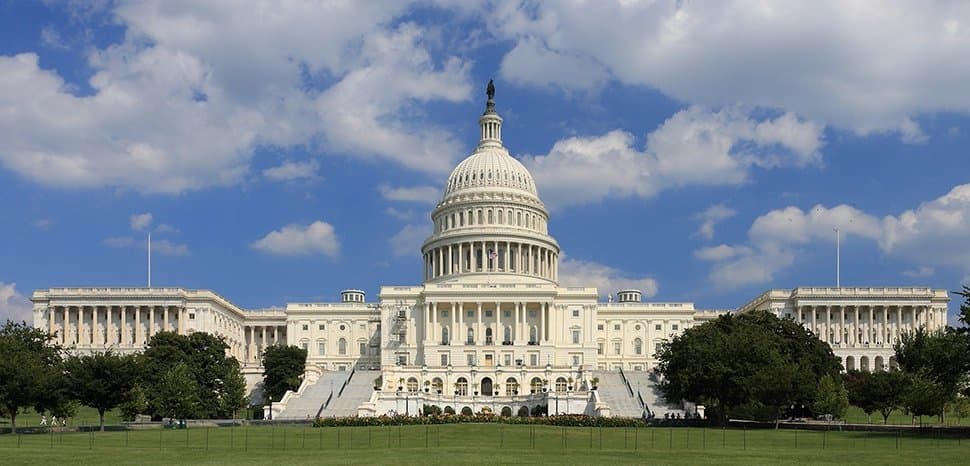
The geopolitical landscape is currently witnessing a significant shift due to the ongoing conflict involving Iran. This situation is not just a regional issue; it has escalated into a crisis with global implications, affecting economies and political landscapes worldwide. 🌍
The Strait of Hormuz: A Critical Chokepoint
The Strait of Hormuz, a strategic passageway, is pivotal in global energy markets, with about one-fifth of the world's liquefied natural gas and one-fourth of oil supplies passing through it. The closure of this vital route, albeit temporarily, has sent shockwaves through international markets. Maritime mines and drones have effectively halted traffic, leading to a global energy crunch.
Economic Turmoil and Rising Inflation
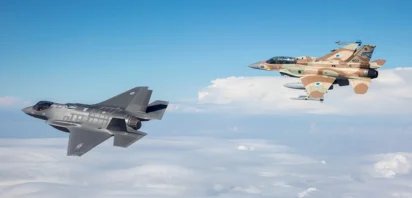
The disruption in energy supplies is just the beginning. As energy prices soar, so do costs for goods and services, leading to an inflationary spike. The global economy is already grappling with inflation rates projected to rise significantly, exacerbated by past trade wars and now, the blockade of Hormuz.
- Brent Crude Prices: Once peaking at $119 per barrel 📈
- Inflation Projections: Expected to climb to 5.1% this year
Political Ramifications: A Global Phenomenon
Economic instability often leads to political upheaval. Historical data suggests that during times of economic distress, extremist and populist parties tend to gain traction. This trend is seen across multiple nations where economic dissatisfaction translates into political shifts, affecting elections globally.
Case Study: Hungary
Hungary's recent elections illustrate this dynamic. Despite being early in the conflict, the economic decline preceding the Iran crisis had already set the stage for political change. Incumbent leaders are often held accountable for economic woes, justified or not.
The United States: A Nation on Edge
In the U.S., Operation Epic Fury and its outcomes are pivotal. With mid-term elections approaching, the conflict's impact on domestic politics cannot be underestimated. President Trump's approval ratings are a primary concern for the Republican party, with prolonged conflict potentially diminishing electoral prospects.
Israel's Political Landscape
The situation is equally critical in Israel, where the political fate of Prime Minister Netanyahu hangs in the balance. The conflict with Iran represents a last-ditch effort to consolidate power amid internal controversies and scandals.
The Broader Economic Picture
The macroeconomic impact extends beyond inflation. Central banks face the dilemma of raising interest rates to curb inflation, which could stifle investments and slow economic growth. Moreover, the fiscal space is constrained by mounting sovereign debt, projected to reach unprecedented levels.
- Global Debt: Over $54 trillion in sovereign debt worldwide
- Refinancing Challenges: Nearly 40% of OECD countries' debt due for refinancing by 2027
Strategic Insights and Future Outlook
As the world navigates this complex geopolitical landscape, strategic foresight is essential. The interplay between economic conditions and political outcomes will continue to shape global dynamics. Key takeaways include:
- Energy Markets: Monitoring developments in the Strait of Hormuz
- Political Watch: Keeping an eye on upcoming elections in key regions
- Economic Policies: Anticipating central bank actions and fiscal policies
In conclusion, the Iran conflict serves as a poignant reminder of how interconnected our world is. The ripple effects of regional conflicts can have profound global implications, reshaping economic and political realities across continents. As we move forward, understanding these dynamics will be crucial for policymakers, businesses, and citizens alike. 🔍
You May Also Like

Geopolitical Analysis
Navigating KMT-CCP Relations: A Geopolitical Insight
March 31, 2026
Geopolitical Analysis
How Multipolarity Alters Iran's Escalation Dynamics
March 30, 2026
Geopolitical Analysis
Global Alliances: The Decline and Its Implications
March 30, 2026
Geopolitical Analysis
Geopolitics Weekly: Greenland, US-Taiwan Deal, Syria
March 30, 2026