Category:
Geopolitical AnalysisGlobal Alliances: The Decline and Its Implications
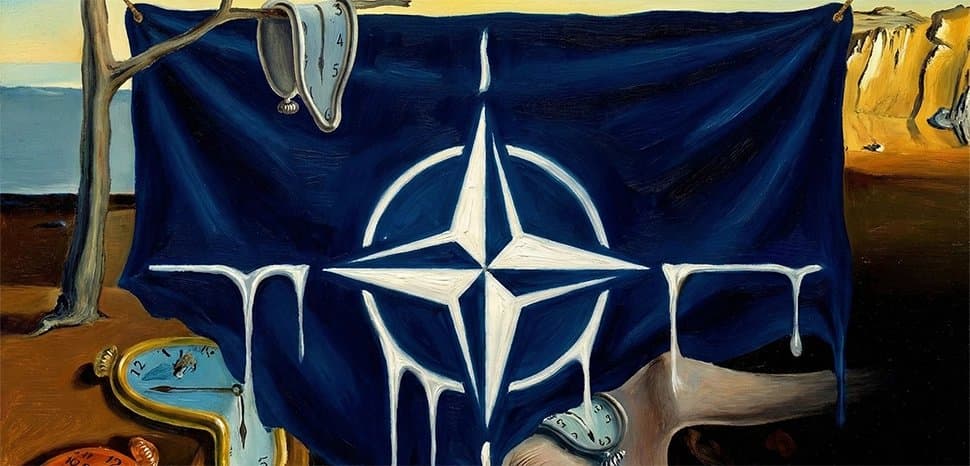
The landscape of global alliances is shifting, with cracks appearing in long-standing partnerships that once seemed unbreakable. These alliances, originally formed to ensure collective security and prevent conflicts, are now under scrutiny. The reasons behind this decline are complex, involving asymmetry of interests, erosion of trust, and the rise of autonomous strategies.
The Asymmetry of Interests
In the 20th century, alliances like NATO were underpinned by the United States' willingness to bear significant costs for the collective defense of its allies. However, recent years have seen a growing reluctance from major powers to shoulder these responsibilities. The United States, under various administrations, has questioned its commitments, particularly towards European allies. This shift is evident in the rhetoric of leaders like Donald Trump, who emphasized the need for allies to contribute more financially. Such statements have sown seeds of doubt among European governments regarding the reliability of U.S. support.

Erosion of Trust
Trust is the bedrock of any alliance. However, recent geopolitical developments have eroded this trust. The decision to shut down Starlink communications over Ukraine in 2022 during a critical counteroffensive highlighted vulnerabilities in reliance on external support. The flexibility allowed by Article 5 of the North Atlantic Treaty, which does not mandate an automatic military response, further undermines confidence. This legal ambiguity creates reluctance among member states to rely solely on collective defense mechanisms.
Autonomous Strategies on the Rise 🌍
The rapid pace of global changes necessitates more flexible and adaptable strategies. Countries are increasingly favoring bilateral agreements and situational coalitions over traditional alliances. The formation of AUKUS, a narrow technological alliance excluding NATO and the EU, is a testament to this trend. Similarly, nations like Turkey and France are pursuing their own defense agreements, prioritizing national interests over multilateral commitments.
Informational Fragmentation and Psychopolitics
The modern media landscape is fractured, leading to informational fragmentation where each segment of the media forms its own narrative. This division influences perceptions of threats and allies, creating parallel realities. Psychopolitics, the manipulation of perceptions through language and symbols, further complicates these dynamics. For instance, Turkey's shift in media rhetoric towards Western countries preceded political rifts, highlighting how media tone can foreshadow geopolitical changes.
Case Study: The CSTO
The Collective Security Treaty Organization (CSTO) serves as a stark example of an alliance struggling to maintain cohesion. The organization's response to the Second Karabakh War and internal challenges in Kazakhstan exposed its limitations. Armenia's decision to scale back its participation in the CSTO following these failures underscores how alliances can lose relevance when they cannot fulfill their core objectives.
The Future of Alliances 🔮
As global alliances face these challenges, the future remains uncertain. The rise of national narratives and strategic autonomy, such as France's discussions on leaving NATO, signals a potential redefinition of alliance dynamics. The implications of these shifts are profound, affecting international relations and security frameworks worldwide.
In conclusion, the decline of global alliances reflects broader political disagreements and transformations in international relations. As trust diminishes and interests diverge, even the most robust alliances can become sources of instability. The geopolitical landscape is evolving, and the need for new strategies and frameworks to address emerging threats is more critical than ever.
You May Also Like

Geopolitical Analysis
Geopolitics Weekly: Greenland, US-Taiwan Deal, Syria
March 30, 2026
Geopolitical Analysis
Geopolitics Weekly: Key Global Tensions Unveiled
March 30, 2026
Geopolitical Analysis
Geopolitical Shifts: EU Minerals and Global Tensions
March 30, 2026
Geopolitical Analysis
The Reality of Ungoverned AI: Lessons from Grok
March 30, 2026