Category:
Geopolitical AnalysisHow Multipolarity Alters Iran's Escalation Dynamics
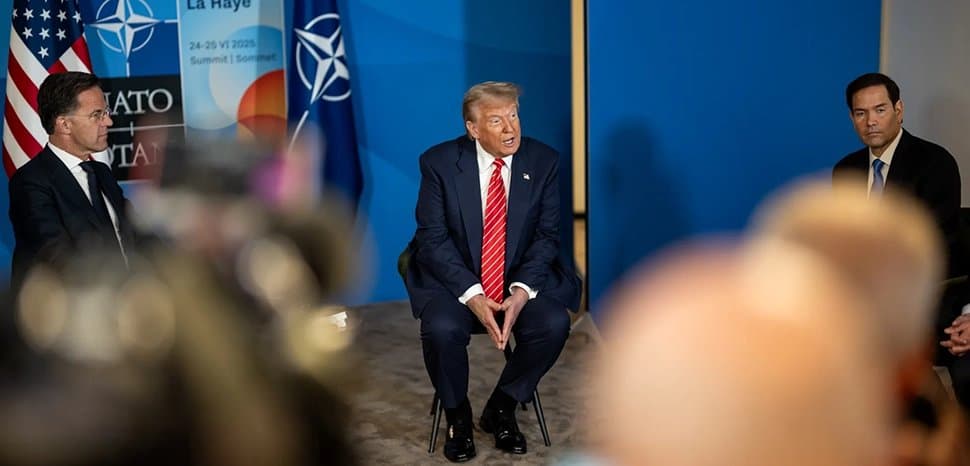
In today's complex geopolitical landscape, the concept of multipolarity has reshaped the strategic calculus in conflict zones like Iran. As power is distributed among multiple global players, the traditional logic of escalation is being redefined. This article delves into how these shifts are influencing the situation in Iran and what it means for global security and economic stability.
The Multipolarity Paradigm 🌍
Multipolarity refers to a geopolitical environment where multiple nations hold significant power, as opposed to a unipolar or bipolar world. This distribution leads to a more complex web of alliances and conflicts, influencing how countries like Iran approach escalation strategies.
Iran's Strategic Calculus 🔍
Iran's geopolitical strategy is deeply influenced by its need for survival and regional influence. The U.S.'s attempt to decapitate Iran's regime through military strikes has pushed Tehran into adopting a strategy of attrition, leveraging ballistic strikes and economic disruptions.
Economic Warfare and the Strait of Hormuz 🚢
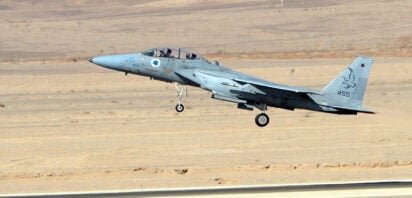
A critical element of Iran's strategy is the disruption of the Strait of Hormuz, through which a significant portion of the global oil supply transits. This chokepoint becomes a bargaining chip in imposing economic costs on adversaries, compelling them to reconsider their engagement strategies.
The Role of Great Powers 🌐
Historically, significant conflicts like World Wars I and II were marked by synchronized crises among great powers. In the current scenario, however, the alignment among these powers is fragmented. The U.S., China, and Russia are pursuing divergent strategies, each with different stakes in Iran's conflict.
Fragmented Alliances 🤝
Unlike the past, where rigid alliances often forced countries into broader conflicts, today's multipolarity results in more fluid and pragmatic alignments. This reduces the risk of a regional conflict escalating into a global war, as nations are less likely to be drawn in by alliance commitments alone.
Implications for Global Security 🔒
The multipolar environment complicates the potential for a systemic war emerging from the Iranian conflict. The lack of a cohesive alliance structure means less pressure for countries to escalate their involvement, although local conflicts remain volatile.
Economic and Strategic Adjustments 📈
Nations are recalibrating their economic and strategic policies in response to this shifting landscape. Energy markets, military alliances, and diplomatic strategies are all being adapted to address the uncertainties of this new multipolar world order.
Conclusion: A New Era of Risk Assessment 📊
The dynamics of multipolarity suggest a complex but potentially more stable international environment, where conflicts like Iran's are managed with a focus on regional containment rather than global escalation. Understanding these nuances is crucial for policymakers and analysts aiming to navigate the intricate web of modern geopolitics.
As we move forward, the key will be vigilant monitoring of regional conflicts and adaptable strategies to ensure that local disputes do not spill over into broader, more destructive wars.
You May Also Like
Geopolitical Analysis
Global Alliances: The Decline and Its Implications
March 30, 2026

Geopolitical Analysis
Geopolitics Weekly: Greenland, US-Taiwan Deal, Syria
March 30, 2026
Geopolitical Analysis
Geopolitics Weekly: Key Global Tensions Unveiled
March 30, 2026
Geopolitical Analysis
Geopolitical Shifts: EU Minerals and Global Tensions
March 30, 2026