Category:
Geopolitical AnalysisGreenland, Panama, and the Rio Treaty: A Geopolitical Nexus
Greenland, Panama, and the Rio Treaty form a fascinating triad in the realm of geopolitics, highlighting the strategic interactions between geography, international law, and national interests. This analysis delves into these connections, exploring their historical roots and current implications for global power dynamics.
Greenland: Arctic Jewel in Geopolitical Chess
Greenland, an autonomous territory of Denmark, is strategically situated in the Arctic, a region of increasing global interest due to its untapped natural resources and emerging shipping routes. Since the early 19th century, Greenland has been under Danish control, and today it is a critical component of NATO's defense strategies.
The island's importance is underscored by its inclusion in the 1947 Inter-American Treaty of Reciprocal Assistance (Rio Treaty), which interestingly extends its protection to Greenland despite its primary focus on Latin America and the Caribbean. This inclusion highlights Greenland's significance in hemispheric defense strategies, particularly against historical threats such as potential Soviet advancements during the Cold War.

Panama: The Crossroads of the Americas
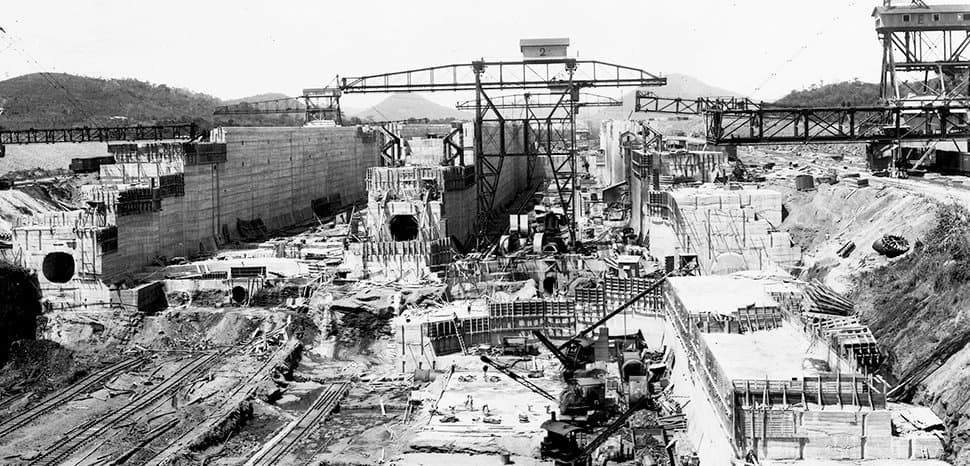
Panama's strategic importance is anchored by the Panama Canal, a critical maritime corridor that has been a focal point of U.S. geopolitical strategy since its construction. The canal facilitates global trade by connecting the Atlantic and Pacific Oceans, making it a strategic asset in any global power calculus.
Historically, U.S. influence over the canal was formalized through actions such as the Roosevelt Corollary, which justified American intervention in Latin American affairs. More recently, attempts to reclaim control over this vital waterway reflect ongoing U.S. interests in maintaining influence in the region amidst shifting global power dynamics.
The Rio Treaty: A Defensive Framework
The Rio Treaty, established in the aftermath of World War II, serves as a collective defense agreement among American states. It underscores a commitment to mutual defense against aggression, extending its geographic scope beyond the Americas to include strategic locations like Greenland.
This treaty reflects the complex interplay of political and military strategies aimed at safeguarding the hemisphere. By including Greenland, the treaty acknowledges the Arctic's emerging role in global security, especially as climate change opens new maritime routes and resource extraction opportunities.
Current Geopolitical Dynamics
Today's geopolitical landscape is marked by a reassessment of strategic territories and resources. The United States, guided by policies reminiscent of the Monroe Doctrine, seeks to assert influence over key regions and waterways, including the Arctic and the Panama Canal.
The 2025 National Security Strategy highlights this by identifying both Greenland and the Panama Canal as "key terrains," indicating a revived interest in these strategic locations. This reflects a broader pattern of geopolitical maneuvering aimed at reinforcing U.S. influence amidst global shifts.
Conclusion: Strategic Implications
The interplay between Greenland, Panama, and the Rio Treaty exemplifies the dynamic nature of geopolitical strategies. As global powers reassess their positions in light of emerging threats and opportunities, these regions remain pivotal to understanding future international relations.
In conclusion, the strategic significance of Greenland and Panama, coupled with the protective framework of the Rio Treaty, underscores the complexity of modern geopolitics. This triad will continue to influence power dynamics as nations navigate the challenges and opportunities of an interconnected world.
You May Also Like

Geopolitical Analysis
The Ticking Clock in West Azerbaijan: A Geopolitical Analysis
March 30, 2026
Geopolitical Analysis
Indonesia's Role in Global Power Dynamics
March 30, 2026
Geopolitical Analysis
Caracas Falls: Geo-Political Shifts Explained
March 30, 2026
Geopolitical Analysis
The Trump Corollary: Gunboat Diplomacy Resurfaces
March 30, 2026