Category:
Geopolitical AnalysisGeopolitics Weekly: Iran, Bonds & Russian Internet
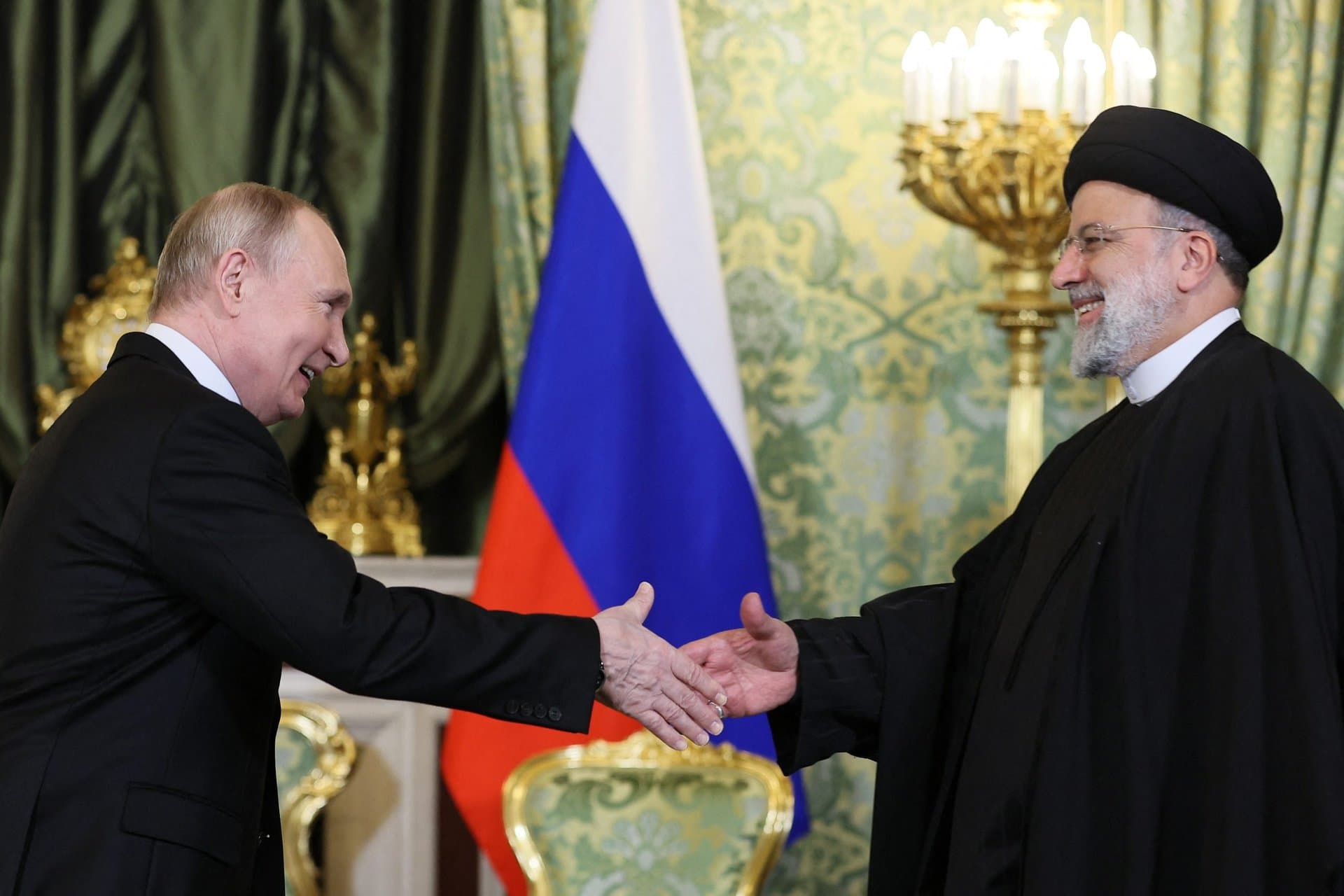
The geopolitical landscape is constantly shifting, with new developments unfolding across different regions. This week, critical updates from Iran, bond yields, and the Russian Internet have captured global attention.
The Tensions Escalate: Iran's Geopolitical Chessboard
Iran remains a pivotal player in Middle Eastern geopolitics. Recent escalations between Iran and Israel have heightened tensions, drawing international concern. The geopolitical ramifications of these developments could ripple through the region, impacting energy markets and alliances.
- Iran and Israel: The longstanding animosity between these nations has entered a new phase, with military skirmishes and diplomatic standoffs.
- Impact on Oil Prices: Any disruption in this region can lead to significant fluctuations in global oil prices, affecting economies worldwide.

Bond Yields: A Barometer for Economic Uncertainty
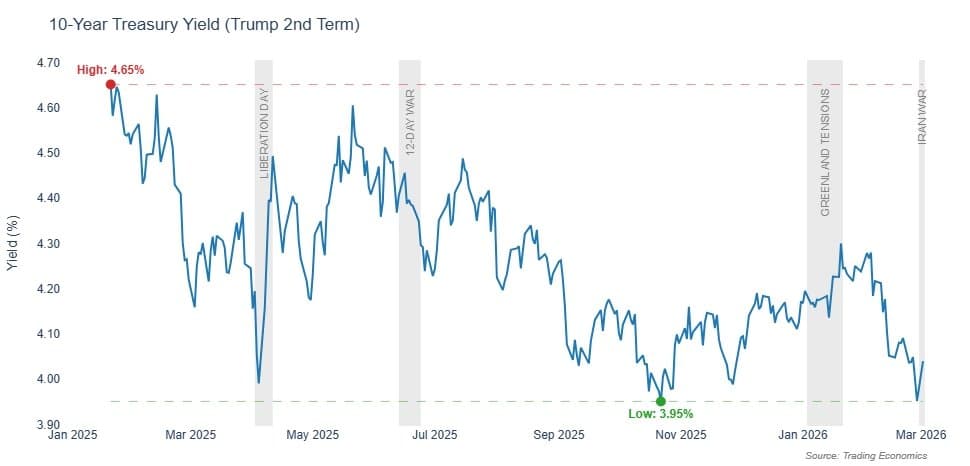
Bond yields have been on a rollercoaster ride, reflecting broader economic uncertainties. As investors seek safe havens amid geopolitical tensions, bond markets have become increasingly volatile.
Why Bond Yields Matter
- Economic Indicator: Bond yields can signal investor sentiment and economic outlook.
- Interest Rates: Fluctuations influence central bank decisions on interest rates, impacting borrowing costs worldwide.
Current Trends
- US Treasury Bonds: Recent trends show mixed signals, as investors weigh geopolitical risks against domestic economic policies.
- Global Impact: Changes in US bond yields can have a domino effect on global financial markets.
Russian Internet: A New Frontier of Control
In the digital age, control over the internet has become a geopolitical battleground. Russia's approach to its internet infrastructure exemplifies this trend, as it seeks to tighten control over online spaces.
Key Developments
- Sovereign Internet Law: Recent legislation aims to create a self-sufficient Russian internet, reducing dependency on global networks.
- Implications for Freedom: Critics argue this move could stifle free expression and isolate Russian users from the global web.
Broader Geopolitical Context
- Cyber Sovereignty: Russia's measures reflect a broader push by various nations to assert control over the digital realm.
- International Reactions: Western nations are closely monitoring these developments, weighing their implications for cybersecurity and information freedom.
Conclusion: Navigating a Complex World
The intersection of geopolitics and global markets is as intricate as ever. As tensions in Iran escalate, bond yields fluctuate, and Russia tightens its grip on the internet, the world watches closely. Understanding these dynamics is crucial for policymakers, investors, and global citizens alike.
Key takeaways include:
- Geopolitical Awareness: Staying informed about international developments helps anticipate economic and political shifts.
- Investment Strategies: In times of uncertainty, diversified investment portfolios can mitigate risks.
- Digital Policy Implications: The balance between security and freedom on the internet remains a critical debate.
As these stories continue to evolve, their impacts will shape global affairs. Stay tuned for more updates in the upcoming Geopolitics Weekly issues.
You May Also Like
Geopolitical Analysis
China's Electrostate: Impact on Global South
March 30, 2026
Geopolitical Analysis
Geopolitics Weekly: US-Israel Iran War Analysis
March 30, 2026

Geopolitical Analysis
Global Antimony Supply: A Geopolitical Analysis
March 30, 2026
Geopolitical Analysis
Oil Geopolitics: Iran's Strategic Shift
March 30, 2026