Category:
Geopolitical AnalysisBoom or Bust? Geopolitics Clouds Copper's Future
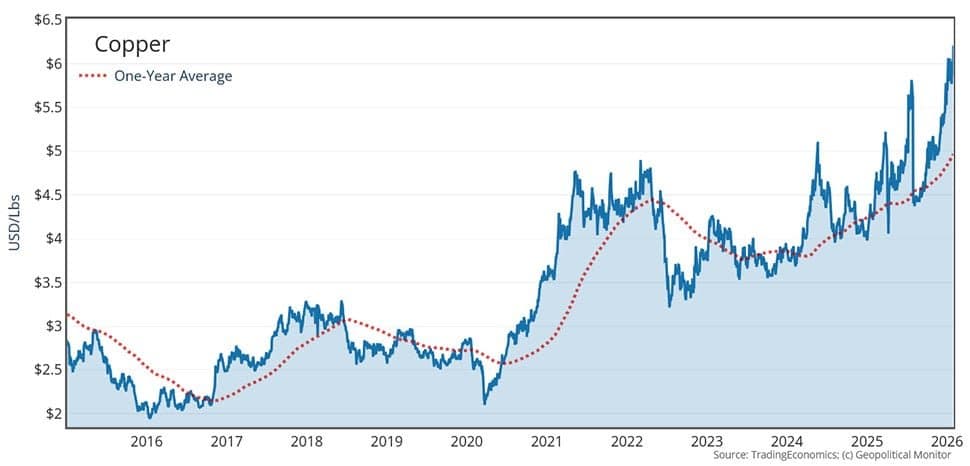
Copper has transitioned from a mundane industrial material to a strategic asset linking economic growth and geopolitical maneuvering. 🌐 As the world pivots to greener technologies and digital infrastructures, copper's role has evolved, making its supply chains a focal point of international interest.
The Strategic Importance of Copper
Copper is indispensable in the modern economy, serving as a backbone for electrical systems, renewable energy technologies, and digital transformation initiatives. From 2021 to today, copper's utility has expanded significantly:
- Power Grids: Transformers, generators, and wiring demand substantial copper.
- Consumer Electronics: Copper is integral in circuit boards and other electronic components.
- Transportation: With the rise of electric vehicles (EVs), copper usage has surged.
- Renewables: Solar panels and wind turbines are heavily reliant on copper.
Growing Global Demand 📈
Emerging technologies are driving unprecedented demand for copper. Data centers, critical for our digital age, are a prime example. A study on a Chicago-area data center revealed that approximately 27 tonnes of copper are essential for every megawatt (MW) of power. Estimates suggest that this could rise to 47 tonnes per MW, highlighting the intensifying copper demand corresponding to power and cooling requirements.
Similarly, the electric vehicle (EV) market is booming, with each EV requiring about 2.9 times more copper than conventional vehicles. Projections indicate a dramatic increase in EV sales by 2025, further straining copper supplies. Additionally, the infrastructure needed for EV charging stations will significantly contribute to copper demand, with analysts predicting a surge in global charging ports to 206.6 million by 2040.
Renewable Energy's Copper Appetite
Renewable energy sources, particularly solar and wind, are substantial copper consumers. Solar panels necessitate between 3 to 5.5 tonnes of copper per installed MW, while wind turbines require 3 to 15 tonnes, depending on whether they are onshore or offshore installations. The necessity for copper escalates when these installations are in remote locations, increasing transmission needs two to three-fold.
Geopolitical Complexities 🌍
Copper supply chains are concentrated, with Chile, Peru, and the Democratic Republic of the Congo producing about half of the world's copper. This concentration presents a significant risk, especially as geopolitical tensions rise.
Risk Factors
- Political Instability: Changes in government policies or political unrest in these key regions can disrupt supply.
- Trade Policies: Tariffs and trade restrictions can impact global copper availability and pricing.
- Environmental Regulations: Stricter environmental policies may limit copper mining and production.
Future Outlook: Boom or Bust? 🔮
The forecast for copper is complex. BloombergNEF anticipates a supply deficit by 2025, potentially reaching a shortfall of 19 million metric tonnes by 2050. This looming deficit underscores the urgency for diversified mining sources and technological innovations to recycle and optimize copper usage.
Key Takeaways
- Diversification: To mitigate risks, investing in alternative copper sources and recycling is crucial.
- Policy Adaptations: Governments and companies must adapt to evolving geopolitical and environmental landscapes.
- Innovation: Technological advancements in copper usage can alleviate some supply pressures.
In conclusion, copper's future is interwoven with global economic and geopolitical dynamics. Stakeholders must navigate these complexities to ensure a stable and sustainable copper supply chain.
For more insights on copper and geopolitical trends, stay tuned to industry updates and strategic analyses.
You May Also Like

Geopolitical Analysis
The Ticking Clock in West Azerbaijan: A Geopolitical Analysis
March 30, 2026
Geopolitical Analysis
Indonesia's Role in Global Power Dynamics
March 30, 2026

Geopolitical Analysis
Caracas Falls: Geo-Political Shifts Explained
March 30, 2026

Geopolitical Analysis
The Trump Corollary: Gunboat Diplomacy Resurfaces
March 30, 2026