Category:
Geopolitical AnalysisAfrica: New Frontline in Global Drug Trade?
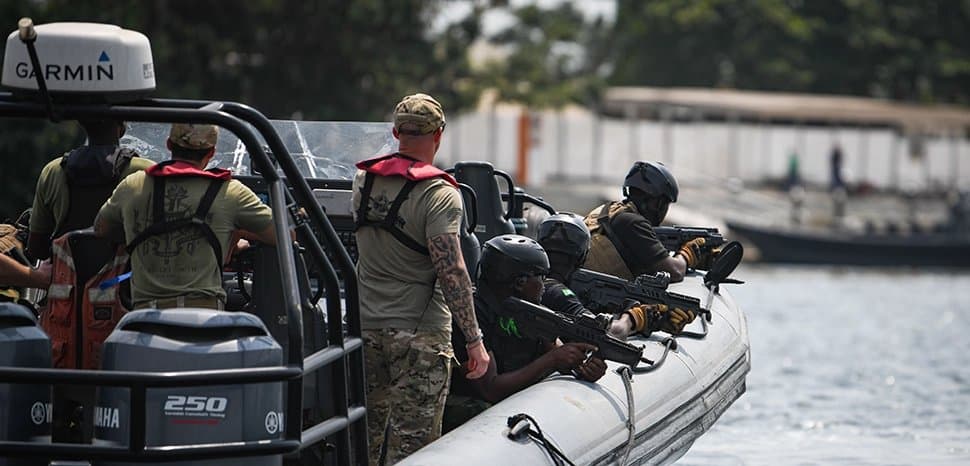
Africa's Emerging Role in the Drug Trade 🌍
In recent years, Africa has emerged as a pivotal player in the global drug trade. No longer merely a transit point, the continent is becoming a key operational hub for international drug cartels. This transformation is driven by a combination of strategic geographical positioning, weak regulatory environments, and fragile state structures.
Historical Context and Current Dynamics 📜
Historically, Africa served primarily as a transit route for drugs moving from Latin America to Europe. However, as Western counter-narcotics policies have intensified, criminal organizations have adapted by shifting operations to regions with less regulatory oversight. This "balloon effect" has pushed cartels to seek new markets and operational bases in Africa, where state resilience is often limited.
Geopolitical Implications and Strategic Shifts 🔍
The strategic shift towards Africa is not just a matter of convenience for drug cartels. It reflects broader geopolitical trends where regions with chronic insecurity and weak governance become attractive for illicit activities. Drug trafficking networks in Africa are increasingly sophisticated and intertwined with local conflicts, thereby exacerbating instability.

Africa's Structural Vulnerabilities ⚠️
Several structural factors contribute to Africa's growing involvement in the drug trade:
- Strategic Location: Africa sits at the crossroads of key drug trafficking routes linking Latin America to Europe.
- Weak State Control: Many African countries struggle with corruption and limited law enforcement capabilities, making them vulnerable to exploitation by drug cartels.
- Economic Challenges: High unemployment rates and poverty create fertile ground for recruitment into the drug trade.
The Role of Transnational Networks 🌐
Transnational criminal networks in Africa are often hybrid in nature, combining traditional drug trafficking operations with other illicit activities such as human trafficking and arms smuggling. These networks operate across national boundaries, linking Latin American cartels with European markets and local armed groups. This creates a complex crime-terror nexus that threatens regional stability.
Impact on Governance and Security 🛡️
The infiltration of drug cartels into Africa has profound implications for governance and security:
- State Fragmentation: The drug trade can exacerbate existing divisions and fuel conflicts, leading to further state fragmentation.
- Corruption and Governance Erosion: The influx of drug money can undermine governance structures, increase corruption, and weaken the rule of law.
- Security Challenges: The presence of drug cartels can exacerbate existing security challenges, particularly in volatile regions like the Sahel and the Gulf of Guinea.
Future Outlook and Policy Recommendations 📈
Addressing the challenge of drug trafficking in Africa requires a multi-faceted approach:
- Strengthening Regional Cooperation: African countries must collaborate to enhance law enforcement capabilities and share intelligence.
- Enhancing Economic Opportunities: Providing economic alternatives to communities involved in the drug trade can reduce their dependency on illicit activities.
- International Support and Investment: Global partners should support African countries in building stronger institutions and infrastructure to combat drug trafficking.
Conclusion: A Critical Juncture for Africa 🤔
Africa stands at a critical juncture in its role within the global drug trade. The continent's growing involvement presents both challenges and opportunities for policymakers. By strengthening governance, enhancing regional cooperation, and addressing socio-economic vulnerabilities, Africa can turn the tide against the encroaching influence of drug cartels.
As the global focus shifts towards Africa, understanding and addressing the root causes of drug trafficking will be crucial in ensuring the continent's stability and security in the coming years.
You May Also Like
Geopolitical Analysis
The Ticking Clock in West Azerbaijan: A Geopolitical Analysis
March 30, 2026
Geopolitical Analysis
Indonesia's Role in Global Power Dynamics
March 30, 2026
Geopolitical Analysis
Caracas Falls: Geo-Political Shifts Explained
March 30, 2026
Geopolitical Analysis
The Trump Corollary: Gunboat Diplomacy Resurfaces
March 30, 2026