Category:
Geopolitical AnalysisWashington's Search for Iran's Influencer
The Quest for the Right Iranian Insider
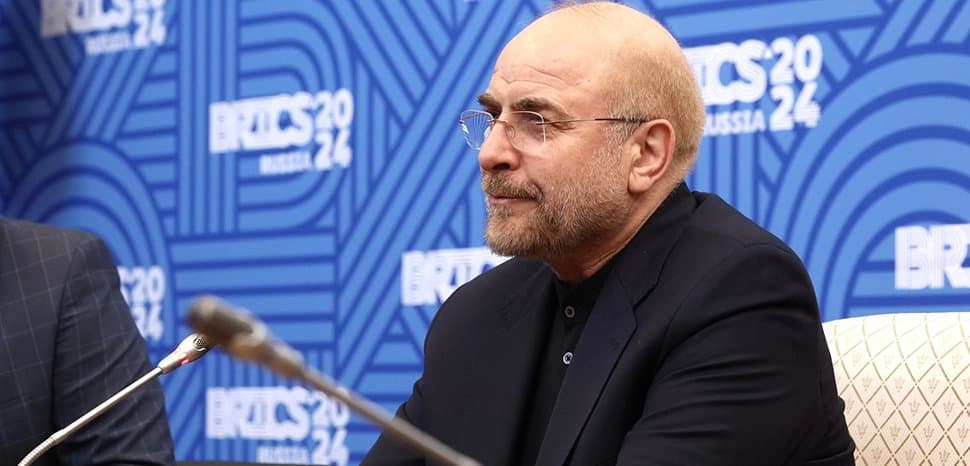
Washington's enduring pursuit of an influential Iranian insider reflects a strategic miscalculation. The recent consideration of Iran’s parliament speaker, Mohammad Bagher Ghalibaf, as a potential diplomatic partner highlights this persistent quest. Historically, U.S. administrations have hoped to engage more pragmatic figures within the Islamic Republic in hopes of influencing Iran's political trajectory. However, these efforts have yet to yield significant structural change. 🌍
Understanding Iran's Power Dynamics
Iran's political authority is deeply rooted in a theocratic system where power does not emanate from elected offices. Instead, it is concentrated within a network anchored by the Supreme Leader, supported by robust security and intelligence bodies. This structure ensures that figures like Ghalibaf, a former commander in the Islamic Revolutionary Guard Corps (IRGC), remain products of the system rather than agents of change. 🚀
The Structural Challenge
The Iranian political system is designed to preserve itself, making meaningful internal reform challenging. Attempts to introduce change through insiders often reinforce existing power structures rather than transform them. The recurring search for a diplomatic partner within the regime overlooks this fundamental reality.
Rethinking U.S. Policy
To achieve meaningful outcomes, U.S. policy must move beyond focusing on individual personalities. This approach often sidesteps more pressing questions about Iran's potential for political transition and where institutional capacity for such change resides. Instead, a shift towards engaging with Iranian society, particularly those advocating for democratic principles, could pave the way for genuine transformation. ✨
Engaging with Society
Iranian society has demonstrated resilience and a sustained demand for accountable governance. Political transitions are more likely to emerge from these dynamic societal segments rather than from the entrenched governing structures. Acknowledging and supporting these societal forces could lead to more durable diplomatic outcomes. 🔍
Conclusion: Looking Forward
As Washington evaluates its approach, the focus should shift from seeking the "right" insider to understanding and engaging with the broader dynamics within Iran. This strategic pivot could open pathways for meaningful dialogue and potential change, aligning diplomatic efforts with the realities of Iran's political landscape. Until then, the search for answers may continue to fall short. 🔑
You May Also Like
Geopolitical Analysis
Oil Geopolitics: Iran's Strategic Shift
March 30, 2026
Geopolitical Analysis
US-Israel Iran War: A Geopolitical Analysis
March 30, 2026

Geopolitical Analysis
Hormuz Closure's Impact on Global Commodities
March 30, 2026
Geopolitical Analysis
Iran War: America's Modern 'Sicilian Expedition'
March 30, 2026