Category:
Geopolitical AnalysisHormuz Closure's Impact on Global Commodities

The Strait of Hormuz is a vital artery for global energy supplies, handling approximately 20% of the world's oil and liquefied natural gas (LNG) flows daily. Its strategic importance cannot be overstated, especially in light of recent geopolitical tensions. 🌍
The Geopolitical Flashpoint 🔥
In a dramatic escalation, the Strait of Hormuz has become functionally impassable amid a coordinated military campaign involving the US and Israel against Iran. This has sent shockwaves through global commodity markets. The operation, known as Operation Epic Fury, has profoundly affected energy prices and market stability.
Impact on Energy Prices 📈
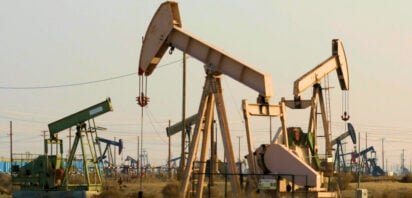
With the waterway closed, Brent crude surged to approximately $103 per barrel, marking one of the most significant price hikes in recent history. Similarly, West Texas Intermediate (WTI) recorded a 35% weekly advance, an unprecedented leap for futures contracts dating back to 1983. This disruption has cascading effects, influencing not only oil but also affecting pricing across precious metals and digital assets.
Military Campaign's Ramifications 🚀
The military operations have expanded across multiple fronts, with over 2,000 strikes launched on Iranian soil, causing significant casualties among high-ranking officials. The strategic targeting of Iranian missile facilities has resulted in a 90% reduction in missile output, drastically affecting Iran's retaliatory capabilities.
Iran's Retaliation and Broader Conflict 🎯
Iran has responded with Operation True Promise IV, deploying over 500 missiles and nearly 2,000 drones across the region. The strikes have targeted US installations and key energy infrastructures, such as Qatar's Ras Laffan LNG complex and Saudi Arabia's Ras Tanura refinery. The conflict has escalated, reaching into Turkish airspace and prompting NATO discussions.
Global Shipping and Insurance Impacts 🚢
The closure of the Strait of Hormuz has effectively paralyzed global shipping. Major container lines have halted transits, and insurance providers have withdrawn war risk coverage, leaving an estimated 3,000 vessels stranded in the Persian Gulf. This disruption underscores the critical nature of the strait in global maritime logistics.
Strategic and Diplomatic Developments 🌐
The geopolitical fallout extends beyond military engagements. Diplomatic relations have soured, with the US demanding Iran's unconditional surrender. The Senate's failure to pass a war powers vote highlights the contentious nature of foreign policy decisions in this context.
The Broader Economic Repercussions 💼
The closure of Hormuz has broader economic implications, affecting global supply chains and commodity markets. The ripple effects are expected to impact inflation rates, particularly in energy-dependent economies. As a vital chokepoint, Hormuz's closure serves as a stark reminder of the vulnerabilities inherent in global trade networks.
Key Takeaways and Future Outlook 🔮
The situation in the Strait of Hormuz is a powerful illustration of how geopolitical tensions can disrupt global markets. Stakeholders must remain vigilant and adaptable, as the region's future remains uncertain. Monitoring developments and understanding their potential impacts will be crucial for policymakers and businesses alike.
In conclusion, the closure of the Strait of Hormuz has highlighted the intertwined nature of geopolitics and global markets. As the situation evolves, it will be essential to consider both immediate impacts and long-term strategic adjustments to navigate these turbulent waters effectively.
You May Also Like
Geopolitical Analysis
Oil Geopolitics: Iran's Strategic Shift
March 30, 2026

Geopolitical Analysis
US-Israel Iran War: A Geopolitical Analysis
March 30, 2026

Geopolitical Analysis
Iran War: America's Modern 'Sicilian Expedition'
March 30, 2026
Geopolitical Analysis
China's Strategic Silence on Iran and Venezuela
March 30, 2026