Category:
Geopolitical AnalysisSaving the Aral Sea: Central Asia's United Effort
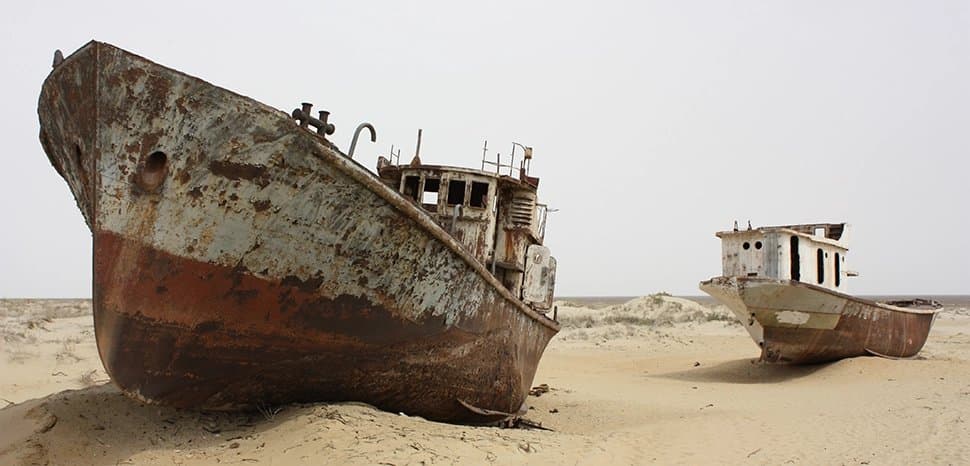
The Historical Context of the Aral Sea Crisis 🌍
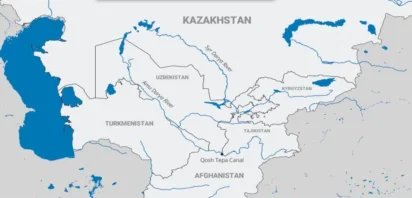
Once a thriving water body, the Aral Sea was the fourth largest lake globally until the mid-20th century. The Soviet Union's diversion of the Amu Darya and Syr Darya rivers in the 1960s for irrigation projects dramatically reduced the lake's size by over 90%. By 1990, it had split into the Northern Aral Sea in Kazakhstan and the Southern Aral Sea in Uzbekistan.
Kazakhstan's Commitment to Revitalization 🌊
Kazakhstan has been at the forefront of efforts to rejuvenate this critical ecosystem. Key initiatives include reconstructing the Kokaral Dam and constructing a hydroelectric complex in the Qyzylorda region. These projects are part of a broader strategy to restore the Northern Aral Sea's hydrology and ecological health.
Through these efforts, Kazakhstan has increased the water volume in the Northern Aral Sea, reducing salinity levels and enabling the return of fish populations. However, these achievements highlight the necessity for regional cooperation.
Regional Cooperation: A Collective Responsibility 🤝
Kazakhstan's endeavors are supported by international partnerships, including a $64 million World Bank loan for dam construction and water projects. Such collaborations underscore the importance of a unified regional approach to managing shared water resources.
In 2024, Kazakhstan and Uzbekistan ratified an Intergovernmental Agreement focused on environmental cooperation. This agreement emphasizes joint actions for the Aral Sea basin, biodiversity conservation, and combating air pollution.
Upcoming Regional Ecological Summit 🌱
Scheduled for April, the Regional Ecological Summit in Astana will gather governments, scientists, and civil society to discuss sustainable development challenges. This event aims to solidify regional collaboration and develop actionable solutions for the Aral Sea crisis.
International Support and Future Prospects 🌐
The restoration efforts extend beyond Central Asia, with significant support from global institutions. The Asian Development Bank's $150 million loan to Uzbekistan and the European Union's environmental projects demonstrate international commitment to the cause.
Moreover, China's involvement through scientific collaboration and water-saving technologies further illustrates the global dimension of this ecological challenge.
Conclusion: A Path Forward 🚀
The restoration of the Aral Sea requires sustained regional collaboration and international support. As Kazakhstan and Uzbekistan continue to lead these efforts, the involvement of neighboring countries and global partners remains essential.
Looking ahead, the focus must be on sustainable water management and involving local communities in conservation projects. By working together, Central Asia can pave the way for ecological recovery and set a precedent for global cooperation in addressing environmental challenges.
You May Also Like
Geopolitical Analysis
Kazakhstan's Language Shift: Elevating Kazakh
March 30, 2026
Geopolitical Analysis
Indonesia's Nickel Diplomacy: Navigating Global Tensions
March 30, 2026

Geopolitical Analysis
The Ticking Clock in West Azerbaijan: A Geopolitical Analysis
March 30, 2026
Geopolitical Analysis
Indonesia's Role in Global Power Dynamics
March 30, 2026