Category:
Geopolitical AnalysisIndonesia's Nickel Diplomacy: Navigating Global Tensions
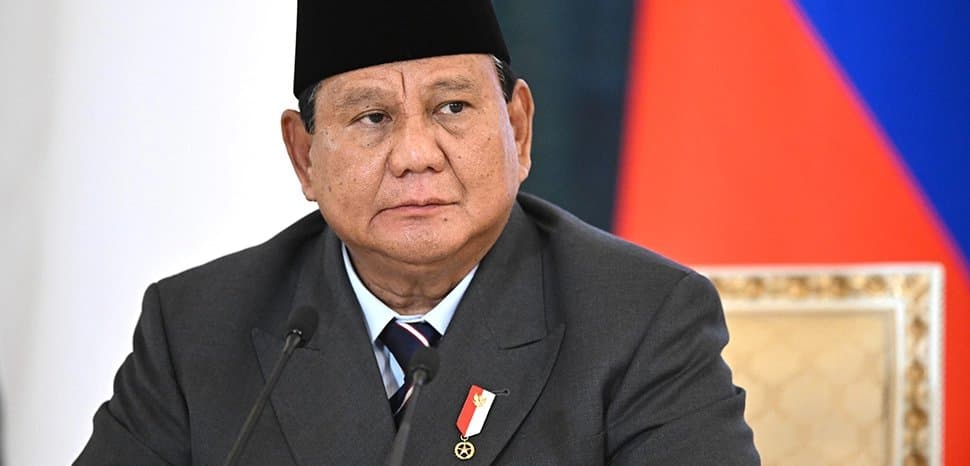
Indonesia’s emergence as a pivotal player in the global critical minerals market has thrust it into the spotlight of international geopolitics. As the world's largest nickel producer, Indonesia stands at a crux between the United States and China, both vying for dominance in the critical minerals essential for electric vehicles and renewable energy industries.
Strategic Importance of Indonesian Nickel
Nickel is a vital component in battery technology, particularly for electric vehicles, making Indonesia's vast nickel reserves a strategic asset. With the global push towards sustainable energy, the demand for nickel is set to soar, positioning Indonesia as a crucial supplier in the global supply chain.
In February 2023, a significant trade agreement between Indonesia and the United States was inked. This agreement reduces US tariffs on Indonesian exports from 32% to 19%, with zero tariffs on commodities like palm oil and cocoa. More crucially, it enhances American access to Indonesia's critical minerals, including nickel.
US-Indonesia Agreement: A New Dynamic
The trade agreement signals Indonesia's strategic pivot to diversify its partnerships beyond China. By opening its markets to US investors, Indonesia is not only seeking to balance its economic dependencies but also to leverage its resources for broader geopolitical influence.
The US aims to secure a steady supply of critical minerals, reducing its reliance on China. This agreement provides US companies with opportunities to invest in Indonesia's burgeoning mineral processing sector—a market long dominated by Chinese investments and technology.
China's Calculated Response
China's reaction to the US-Indonesia agreement has been measured. While cautious, Beijing's response reveals strategic concerns about maintaining its grip on Indonesia's nickel supply. Historically, China has been Indonesia's largest trading partner in this sector, with Chinese entities controlling a significant portion of its nickel processing facilities.
China's dominance in Indonesia's nickel market began with the 2020 ban on raw ore exports, which spurred foreign investment in domestic processing facilities. Consequently, over 90% of Indonesia's nickel exports have been directed to China, underscoring the deep economic ties between the two nations.
Navigating Geopolitical Tensions
The triangular dynamic between Indonesia, the US, and China in the nickel sector highlights the complexities of geopolitical competition in critical minerals. Indonesia's strategic maneuvering is emblematic of its ambition to emerge as a global player without alienating key partners.
For China, maintaining stable supply chains is paramount. It is likely to diversify its sourcing strategies, investing in other mineral-rich regions and enhancing its processing capabilities to mitigate any disruptions arising from shifts in Indonesia-US relations.
Future Prospects and Challenges
Indonesia's challenge lies in leveraging its strategic position to foster domestic industrialization while maintaining balanced diplomatic relations. By expanding partnerships with both the US and China, Indonesia can enhance its economic resilience and global influence.
The evolving global landscape of critical minerals presents both opportunities and challenges. As countries race to secure essential resources for technological advancement, Indonesia's role as a key supplier will only grow in significance.
Key Takeaways
- Indonesia is strategically positioned between US-China competition over critical minerals.
- The US-Indonesia trade agreement marks a shift towards diversifying economic partnerships.
- China's response reflects its need to maintain stable supply chains and economic influence.
- Indonesia's challenge is to balance international relations while fostering domestic growth.
As the global demand for critical minerals escalates, Indonesia's role in shaping future supply chains will be pivotal. By navigating the complex geopolitical landscape, Indonesia has the potential to redefine its place on the world stage, capitalizing on its rich natural resources to drive both economic and strategic benefits.
You May Also Like
Geopolitical Analysis
Saving the Aral Sea: Central Asia's United Effort
March 30, 2026
Geopolitical Analysis
Kazakhstan's Language Shift: Elevating Kazakh
March 30, 2026

Geopolitical Analysis
The Ticking Clock in West Azerbaijan: A Geopolitical Analysis
March 30, 2026
Geopolitical Analysis
Indonesia's Role in Global Power Dynamics
March 30, 2026