Category:
Geopolitical AnalysisChina's Strategic Silence on Iran and Venezuela
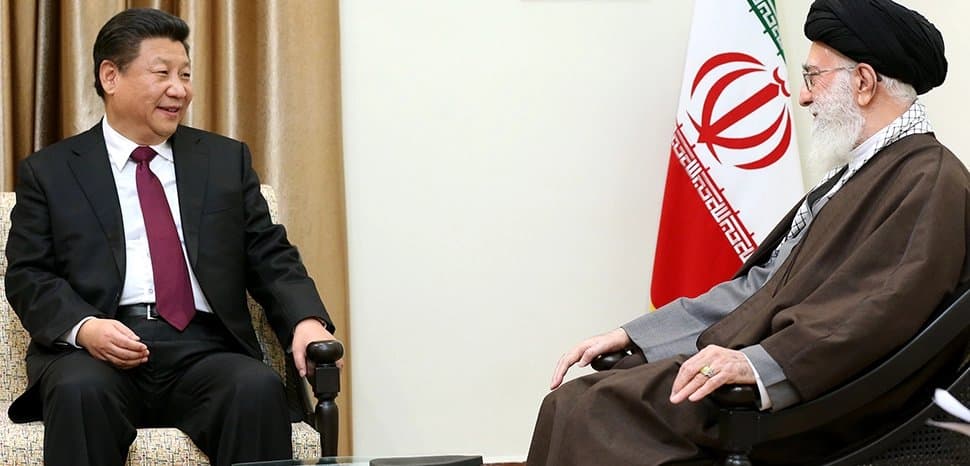
The geopolitical landscape is rife with tension as global superpowers navigate intricate relationships and conflicts. Amidst these dynamics, China's reticence in responding to the crises in Iran and Venezuela raises questions about its long-term strategy and intentions.
Strategic Inaction: A Calculated Move?
China's silence on the escalating situations in Iran and Venezuela may seem perplexing at first glance. Iran, a critical player in China's Belt and Road Initiative, and Venezuela, a significant partner in Latin America, both offer strategic value to Beijing. Yet, China's response—or lack thereof—reflects a calculated approach rather than indifference.
Economic Interests Over Military Intervention
China's primary focus remains on securing economic gains rather than engaging in military entanglements. The trade tensions with the United States, marked by fluctuating tariffs, have reinforced China's resolve to prioritize economic stability. By maintaining a neutral stance, China avoids potential conflicts that could undermine its economic resurgence.
The Trade War's Impact
The trade war initiated by the Trump administration led to significant tariff hikes, with Chinese exports facing up to 245% tariffs. However, China strategically leveraged its near-monopoly on rare earth minerals, stabilizing the situation and reducing tariffs over time. This economic victory underscored Beijing's ability to navigate global trade challenges without resorting to military action.
The Multipolar World Order
China's vision of a multipolar world order involves strategic patience and economic diplomacy. By avoiding direct confrontation, China allows the U.S. to exhaust its resources in prolonged conflicts, such as those in Iran and Venezuela. This approach not only preserves China's economic interests but also positions it as a stabilizing force in a shifting global landscape.
Iran and Venezuela: Strategic Patience
Iran's integration into China's Belt and Road Initiative makes it a crucial partner. Despite the U.S. military actions, China remains committed to its long-term projects in the region, providing a counterbalance to American influence. Similarly, Venezuela's vast oil reserves offer economic opportunities that China can exploit without direct military involvement.
The Role of Oil and Global Markets
The conflicts in Iran and Venezuela have significant implications for global oil markets. China's reliance on oil imports necessitates a cautious approach to avoid disruptions in supply. Meanwhile, rising oil prices benefit China's ally, Russia, further complicating the geopolitical equation.
Geopolitical Implications
The U.S. military interventions have strained its relations with global allies, inadvertently strengthening China's diplomatic position. As the U.S. focuses on hard-power tactics, China capitalizes on its soft-power initiatives, expanding its influence in the Global South and beyond.
Conclusion: A Deliberate Strategy
China's restraint in the face of U.S. aggression reflects a deliberate strategy aimed at enhancing its global standing without direct confrontation. By prioritizing economic stability and leveraging diplomatic channels, China positions itself as a key player in shaping a new world order. As the geopolitical chessboard continues to evolve, China's actions—or inactions—speak volumes about its vision for the future.
You May Also Like
Geopolitical Analysis
Oil Geopolitics: Iran's Strategic Shift
March 30, 2026
Geopolitical Analysis
US-Israel Iran War: A Geopolitical Analysis
March 30, 2026

Geopolitical Analysis
Hormuz Closure's Impact on Global Commodities
March 30, 2026
Geopolitical Analysis
Iran War: America's Modern 'Sicilian Expedition'
March 30, 2026