Category:
Geopolitical AnalysisMauritania's Role in the Nigeria-Morocco Pipeline
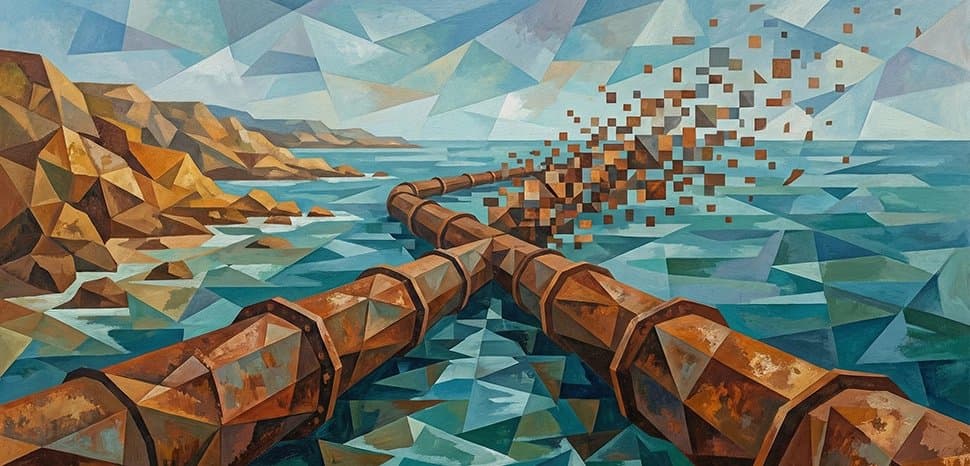
The Nigeria-Morocco Gas Pipeline (NMGP) project has been the subject of much geopolitical discussion since its announcement in 2016. This ambitious venture is designed to establish a crucial energy corridor along the West African coast, stretching approximately 5,600 kilometers. It aims to connect Nigerian gas reserves to European markets through Morocco, offering an alternative to Russian energy sources. Despite the project's potential, its realization faces numerous challenges, making its future uncertain.
Strategic Positioning in Africa
Mauritania, a latecomer to West African hydrocarbon politics, sees the NMGP as a strategic opportunity. With the Greater Tortue Ahmeyim field commencing production in late 2024, Mauritania is poised to become a significant player in Africa's energy landscape. Though the NMGP's completion is unlikely before the mid-2030s, Mauritania benefits from increased diplomatic leverage by positioning itself between Nigeria's resources and Morocco's European gateway.
Economic and Geopolitical Benefits
For Mauritania, the NMGP offers more than just economic prospects. By participating in the project, Mauritania gains visibility in Maghrebi energy politics and strategically aligns with West African integration narratives. This participation allows Mauritania to diversify its energy pathways, moving beyond exclusive reliance on LNG exports.
Challenges and Considerations
The NMGP faces significant hurdles, including fluctuating European gas demand and the rise of renewable energy sources. The project's $25 billion price tag and uncertain financing add to the complexity. European gas imports are expected to decline significantly by the 2040s as the continent moves toward low-carbon pathways.
A Framework for Future Integration
Despite these challenges, the NMGP functions as a powerful geopolitical framework. It facilitates cooperation among multiple states, forging a narrative of regional integration and strategic solidarity. Even if the pipeline itself remains hypothetical, the political capital it generates is real and immediate.
Mauritania's Strategic Gains
Mauritania's involvement in the NMGP is characterized by minimal financial investment but significant strategic gains. The country benefits from greater autonomy within the Greater Tortue Ahmeyim partnership and enhances its diplomatic clout within the region. By participating in the NMGP framework, Mauritania secures a seat at the table in discussions about West African energy integration.
Broader Implications for Europe and Beyond
For Europe, the NMGP presents a chance to diversify energy sources post-Russia's invasion of Ukraine, but it may arrive too late to reshape the energy mix significantly. The project's phased approach, focusing initially on regional consumption in West Africa, reflects an understanding that European demand alone cannot sustain financing.
Conclusion
Mauritania's integration into the NMGP is a testament to the country's savvy geopolitical maneuvering. By aligning with this ambitious project, Mauritania positions itself as a key player in Africa's energy landscape, enhancing its diplomatic and strategic standing. While the pipeline's future remains uncertain, the alignments and partnerships it fosters are valuable in their own right.
As the global energy landscape evolves, Mauritania's participation in the NMGP framework provides it with options and leverage, regardless of whether the pipeline ever becomes operational. The NMGP thus serves as a lucrative hypothetical, offering strategic benefits without the immediate need for infrastructural realization.
You May Also Like
Geopolitical Analysis
How Multipolarity Alters Iran's Escalation Dynamics
March 30, 2026
Geopolitical Analysis
Global Alliances: The Decline and Its Implications
March 30, 2026
Geopolitical Analysis
Geopolitics Weekly: Greenland, US-Taiwan Deal, Syria
March 30, 2026
Geopolitical Analysis
Geopolitics Weekly: Key Global Tensions Unveiled
March 30, 2026