Category:
Geopolitical AnalysisGold, Gulf, and El Fasher's Fall: RSF's Sudan War Strategy
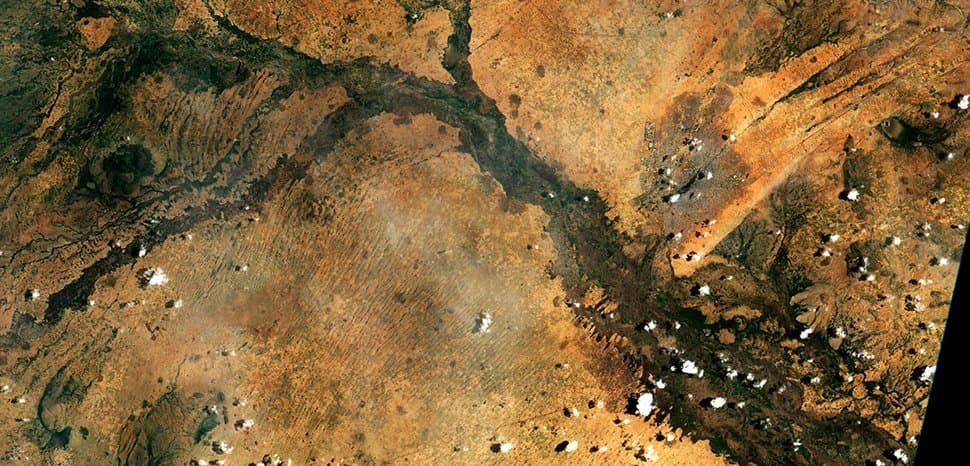
The fall of El Fasher in October 2025 was a turning point in Sudan's tumultuous history. This pivotal moment wasn't merely about the cessation of conflict in North Darfur's capital but signified a deeper shift in the geopolitical landscape of the region. For observers, the silence following the battle was filled with the echoes of strategic recalibrations and a redefined power map.
The Rise of the Rapid Support Forces (RSF)
The RSF's evolution from a local militia into a formidable transnational entity underscores the complex dynamics at play in Sudan. Originally assembled by President Omar al-Bashir in 2013, the RSF was intended to quash uprisings in Darfur, leveraging tribal militias notorious for their brutality. However, this force swiftly morphed into an independent power, fueled by strategic control of gold resources.

The Golden Gamble
Gold, the glittering prize of Sudan's conflict, became a crucial asset for the RSF. The discovery of gold in Jebel Amer transformed these forces from regional enforcers into national players. Hemedti, the RSF leader, capitalized on this by controlling the gold mines, securing wealth and influence that challenged the central government's authority. By 2018, RSF-linked enterprises dominated Sudan's informal gold trade, with a significant portion bypassing the central bank. This gold was smuggled through intricate networks, ending in the refineries of the Gulf, particularly Dubai.
A Pragmatic Alliance with the Gulf
The relationship between the RSF and Gulf states, particularly the United Arab Emirates, highlights a pragmatic exchange. Gold flowed from Sudan, bringing back vital resources and financial support. This arrangement provided the RSF with the liquidity and legitimacy to operate almost as an independent state. The Gulf's interest in cheap bullion and strategic footholds on the Red Sea facilitated this symbiotic relationship.
The Fall of El Fasher: A Symbolic Collapse
The siege and subsequent fall of El Fasher marked both a physical and symbolic victory for the RSF. The city, once a haven for displaced families, became a final stronghold of resistance, enduring harsh conditions until its collapse. Satellite imagery post-conflict revealed extensive destruction, particularly in areas populated by the Masalit ethnic group, reflecting the ongoing humanitarian crisis.
Strategic Implications and Future Prospects
The RSF's control over Darfur's capitals reshapes Sudan's internal and external political dynamics. The organization now governs like a state, taxing commerce and maintaining military strength through international trade. This arrangement poses significant challenges to Sudan's sovereignty and stability. As the RSF consolidates its power, the Sudanese government faces an existential threat to its territorial integrity.
Conclusion: A New Geopolitical Reality
The RSF's ascent and the fall of El Fasher illustrate a broader trend of non-state actors gaining influence in conflict zones through economic and military strategies. The implications for Sudan are profound, affecting both regional stability and international relations. As the dust settles, the world watches to see how this new order will shape the future of Sudan and the wider region.
The road ahead for Sudan is fraught with uncertainty. The international community's response, particularly from key players like the Gulf states, will significantly influence the trajectory of this conflict. As Sudan grapples with its internal divisions, the RSF's actions will continue to redefine its landscape, presenting both challenges and opportunities for peace.
You May Also Like

Geopolitical Analysis
How Multipolarity Alters Iran's Escalation Dynamics
March 30, 2026

Geopolitical Analysis
Global Alliances: The Decline and Its Implications
March 30, 2026

Geopolitical Analysis
Geopolitics Weekly: Greenland, US-Taiwan Deal, Syria
March 30, 2026
Geopolitical Analysis
Geopolitics Weekly: Key Global Tensions Unveiled
March 30, 2026