Category:
Geopolitical AnalysisGlobal Ripples of Hormuz Closure: Winners and Losers
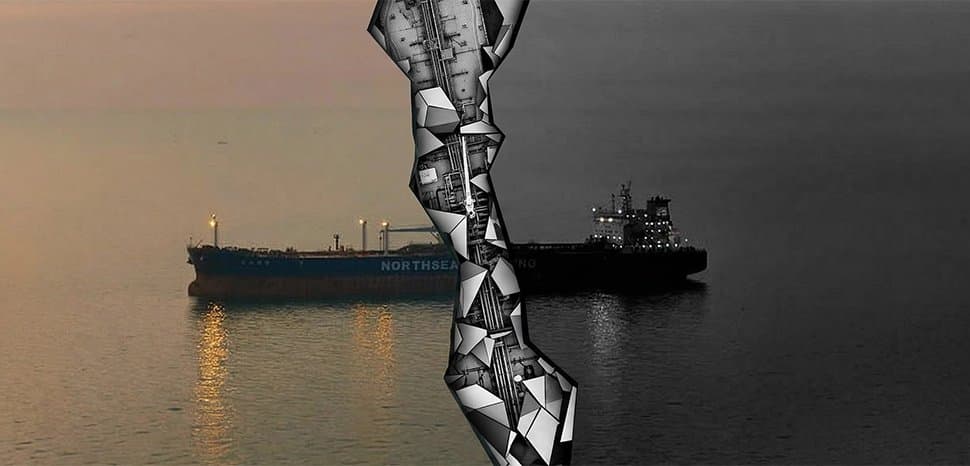
The closure of the Strait of Hormuz—a key maritime chokepoint—has sent shockwaves through global energy markets and geopolitical landscapes. As the gateway for approximately 25% of the world's seaborne oil and 19% of liquefied natural gas (LNG) trade, any disruption in this region has far-reaching consequences. 🌍
A Critical Chokepoint
The Strait of Hormuz, nestled between the Persian Gulf and the Gulf of Oman, is a pivotal artery for global energy distribution. Its strategic importance cannot be overstated. The recent closure orchestrated by Iran has reignited global tensions and economic anxieties.

Immediate Economic Impact
In the immediate aftermath of the closure, oil prices surged, with Brent crude trading at $102 per barrel. The International Energy Agency (IEA) announced its largest ever release of 400 million barrels from emergency reserves to stabilize markets. Despite these efforts, there was a 90% drop in oil flow through the region, underscoring the chokepoint's critical role in global energy stability. 📈
Winners in a Volatile Market
While the disruption paints a grim picture, some countries stand to benefit—at least temporarily—from the energy price surges:
- Algeria: As Africa's largest country, Algeria could stabilize its budget with oil prices hovering above $100 per barrel. This echoes previous scenarios where European nations turned to Algerian energy supplies during crises.
- Nigeria: Positioned away from major energy chokepoints, Nigeria could gain over $21 billion from prolonged high oil prices.
- Canada: Although lacking infrastructure to fully capitalize immediately, Canada is exploring options to ramp up exports to Asia and Europe, providing an alternative to Gulf oil.
- Brazil and Venezuela: With significant oil production capabilities, these Latin American countries could see increased revenues, benefiting from the global demand shift.
Long-term Global Implications
In the long run, the closure's effects could prove detrimental across the board, affecting both producers and consumers. Here's why:
- Supply Chain Disruptions: The interruption in oil flows can ripple through global supply chains, affecting everything from transportation costs to manufacturing.
- Inflationary Pressures: Higher energy prices contribute to global inflation, impacting economies worldwide.
- Geopolitical Tensions: The closure exacerbates existing geopolitical frictions, particularly between Iran and Western powers.
Europe's Energy Dilemma
European countries are particularly vulnerable, given their reliance on Gulf energy imports. The halt in Qatari LNG exports has already caused European gas prices to surge by over 70%. Germany, Italy, and other EU nations face significant challenges in securing alternative energy sources. 🇪🇺
Russia's Strategic Position
Interestingly, Russia emerges as a strategic player amidst the chaos. With temporary sanctions lifted, Russia has capitalized on selling crude oil to the US, India, and China. Yet, its ability to alleviate the energy crisis is constrained by geopolitical tensions with the EU and G7, which continue to enforce price caps on Russian crude.
The Path Forward
Navigating the complexities of the Hormuz closure requires strategic foresight and international cooperation. Countries must explore sustainable energy alternatives and strengthen diplomatic ties to mitigate future risks. The closure has underscored the fragility of global energy security and the urgent need for diversified supply chains. 🔮
Conclusion
The Hormuz closure serves as a stark reminder of the interconnectedness of global economies and the delicate balance of geopolitical power. While some countries may find temporary respite in increased energy revenues, the broader implications signal a need for resilience and adaptability in the face of geopolitical uncertainties.
In this volatile landscape, staying informed and agile is crucial. As the world watches the unfolding events in the Strait of Hormuz, the lessons learned will shape future energy and geopolitical strategies, ensuring a more secure and stable global landscape for all.
You May Also Like

Geopolitical Analysis
Iran Conflict Traps Putin in Strategic Dilemma
March 30, 2026
Geopolitical Analysis
Geopolitics Weekly: Iran, Bonds & Russian Internet
March 30, 2026
Geopolitical Analysis
Diego Garcia: A Strategic Wake-Up Call for Canada
March 30, 2026
Geopolitical Analysis
Iran War Reveals Limits of US Power
March 30, 2026