Category:
Geopolitical AnalysisInsights from the Ukraine Conflict
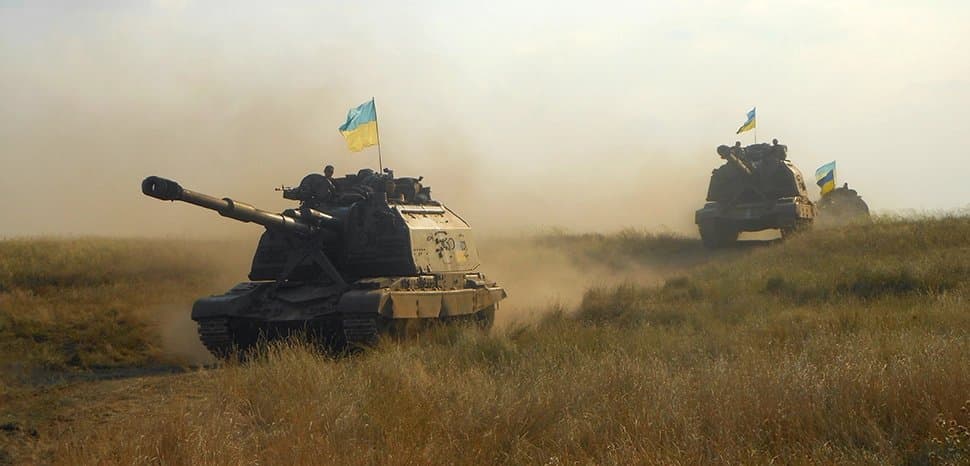
The ongoing conflict in Ukraine has reshaped the geopolitical landscape, revealing critical lessons for global powers and altering international alliances. 🎬 As tensions continue, understanding these shifts is crucial for policymakers worldwide.
The Limits of Offensive Realism
The Ukraine war has challenged traditional theories of international relations, particularly offensive realism. This theory suggests that states aggressively pursue security to maximize their national interests. However, Russia's invasion of Ukraine has shown the limitations of this approach. Despite efforts to secure defensible borders, Russia's actions have led to significant losses, including over half a million soldiers and a solidified opposition from Ukraine. 💥
Geopolitical Vulnerabilities
Russia's strategy aimed to mitigate geographic vulnerabilities by annexing Crimea and supporting separatist movements in the Donbas region. Yet, these actions have inadvertently increased NATO's presence near Russia's borders, illustrating the theory's shortcomings in predicting state behavior driven by individual leaders rather than systemic forces.
Fragility of Economic Interdependence
The conflict has also exposed the fragility of economic interdependence. Before the invasion, a significant portion of European Union imports from Russia consisted of hydrocarbons, underscoring a risky dependency. Despite sanctions, Russia's economy has shown resilience, partly due to efforts to achieve self-reliance since 2014.
The Global South's Perspective
The Global South's response to the conflict and sanctions highlights a divide in international relations. Countries like India and Brazil have resisted unilateral sanctions, illustrating their reliance on Russian resources and ideological opposition to Western coercion. 🌍
Lessons on Trade and Security
The war has triggered a reevaluation of trade's role in peacekeeping. Critics argue that the conflict challenges the notion that trade inherently prevents war. Proponents point to the EU's integrated market as proof that deeper economic ties could deter conflicts, suggesting that more robust supply chain integration could have increased the war's costs for Russia.
Critical Mineral Supply Chains
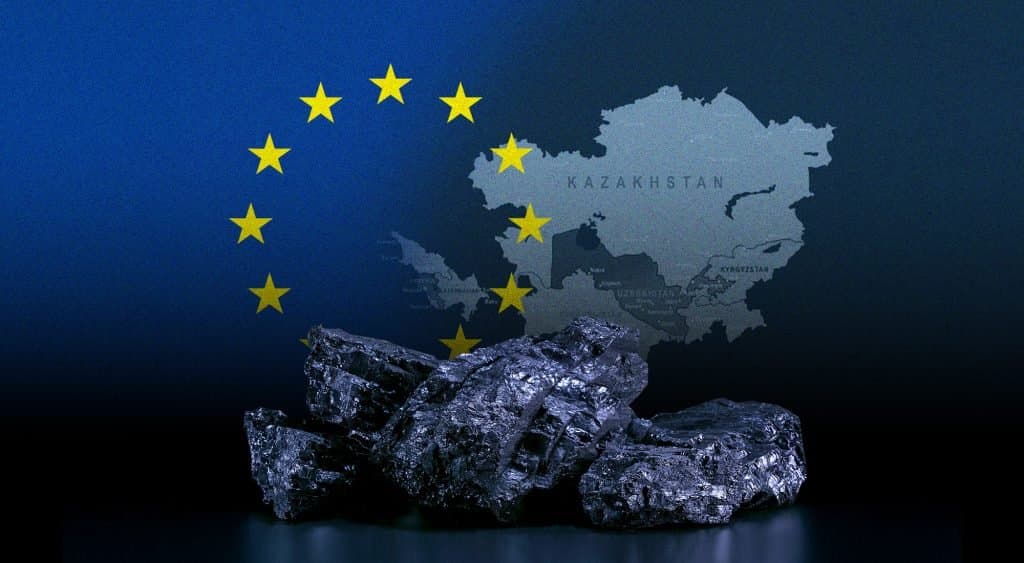
A significant takeaway is the need to secure critical mineral supply chains, as overreliance on foreign suppliers poses risks to national security. This realization has prompted nations to diversify their sources of essential materials.
Sanctions: A Double-Edged Sword
Sanctions, often seen as a diplomatic tool, have shown limited effectiveness in the Ukraine conflict. Despite overwhelming international condemnation, key democracies have avoided imposing sanctions, reflecting a broader skepticism about their efficacy.
Unilateral Coercive Measures
The 2025 UN resolution condemning unilateral measures indicates a split within the global community. Critics argue that such sanctions infringe on sovereign rights and can exacerbate human rights issues by destabilizing economies.
Conclusion: Navigating a New World Order
As the Ukraine conflict continues, it serves as a pivotal moment for international relations. Policymakers must adapt to a world where traditional theories are tested, and new alliances are formed. The lessons learned underscore the importance of strategic foresight and flexibility in navigating the complexities of modern geopolitics. 🌟
In the coming years, the global community will need to address these challenges collectively, fostering cooperation and understanding to prevent future conflicts. The Ukraine war is not just a regional issue but a global call to action for a more resilient international order.
You May Also Like
Geopolitical Analysis
Global Alliances: The Decline and Its Implications
March 30, 2026

Geopolitical Analysis
Geopolitics Weekly: Greenland, US-Taiwan Deal, Syria
March 30, 2026
Geopolitical Analysis
Geopolitics Weekly: Key Global Tensions Unveiled
March 30, 2026
Geopolitical Analysis
Geopolitical Shifts: EU Minerals and Global Tensions
March 30, 2026