Category:
Geopolitical AnalysisFrance's Ballistic Missile Project: Europe's Silence
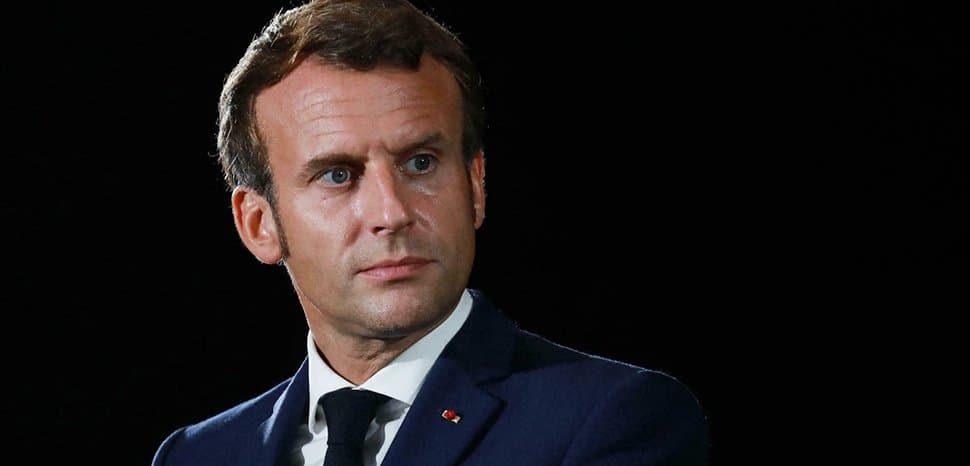
In recent times, France has embarked on an ambitious ballistic missile project known as the Missile Balistique Terrestre (MBT). This venture, spearheaded by ArianeGroup, promises to advance France's defense capabilities with a medium-range ballistic missile featuring a 2,000 km range. Despite the strategic significance of this development, it has been met with a muted response from European counterparts. 🤔
Unpacking France's Missile Initiative
The MBT project is a substantial investment, with France's 2026 budget allocating €15.6 million for initial feasibility studies, escalating to €820 million by 2030. This initiative underscores France's commitment to bolstering its national defense independently, a decision that is raising eyebrows across Europe. 🌍
France has traditionally engaged in collaborative defense projects within the European Union and NATO frameworks. However, the MBT project marks a departure from this trend, as it proceeds without international partners. This raises questions about the implications for European defense solidarity and the potential strain on existing cooperative efforts. 🤝
Strategic Implications and Concerns
The lack of European reaction to France's ballistic missile project is perplexing. Historically, European nations have worked together to enhance their defense capabilities, especially in the face of growing threats from Russia and other geopolitical actors. The MBT project, however, appears to prioritize national prestige over collective security, causing concerns among France's allies. 🛡️
Economic and Industrial Challenges
France's decision to pursue the MBT project independently poses significant economic challenges. With the country grappling with its largest budget deficit since World War II, the financial burden of this project could limit France's ability to contribute to other joint European defense initiatives. The project also presents industrial hurdles, as France must expand its missile production capacity without substantial international collaboration. 💰
The Evolving Landscape of Ballistic Missile Defense
Ballistic missile defense systems have evolved significantly, with advanced technologies capable of intercepting missiles during various stages of flight. Recent conflicts, such as the interception of missiles during Iran's engagement with Israel, highlight the limitations of traditional ballistic missiles. This evolution in defense technology necessitates more sophisticated and costly missile systems, such as those equipped with maneuverable re-entry vehicles (MaRV) or hypersonic glide vehicles (HGV). 🚀
Technological and Tactical Considerations
The design and deployment of advanced ballistic missiles require extensive infrastructure and readiness. Platforms like underground silos, mobile trucks, and submarines necessitate significant investment and strategic planning. Moreover, the sheer size and complexity of such systems pose logistical challenges, limiting their adaptability to existing military platforms. 📊
European Defense Cooperation: A Fragile Balance
France's pursuit of the MBT project independently could jeopardize existing European defense agreements. In July, Poland signed a letter of intent with France’s armament agency to enhance cooperation on land-based cruise missiles. Such collaborations are integral to maintaining a united European defense strategy. 🤝
France's strategic decision to prioritize the MBT project over collaborative efforts could be seen as a breach of trust among European allies. Without clear reassurances from France, there is a risk that other nations may reconsider their defense commitments, potentially weakening Europe's collective security framework. 🔍
Conclusion: What Lies Ahead
As France advances its ballistic missile ambitions, it must navigate the complex landscape of international defense cooperation. While the MBT project may bolster national prestige, it raises critical questions about the future of European defense solidarity. France must balance its national interests with its commitments to European partners to ensure a cohesive and effective defense strategy. 🔄
The geopolitical landscape is ever-evolving, and Europe's reaction—or lack thereof—to France's ballistic missile project will have long-term implications. As defense technologies advance, so too must the strategies that underpin Europe's security framework. The coming years will be pivotal in determining how Europe responds to these challenges and opportunities. 🌐
You May Also Like

Geopolitical Analysis
Global Alliances: The Decline and Its Implications
March 30, 2026

Geopolitical Analysis
Geopolitics Weekly: Greenland, US-Taiwan Deal, Syria
March 30, 2026
Geopolitical Analysis
Geopolitics Weekly: Key Global Tensions Unveiled
March 30, 2026
Geopolitical Analysis
Geopolitical Shifts: EU Minerals and Global Tensions
March 30, 2026