Category:
Conflicts & SecurityTokyo-Manila Pact Shifts Indo-Pacific Security
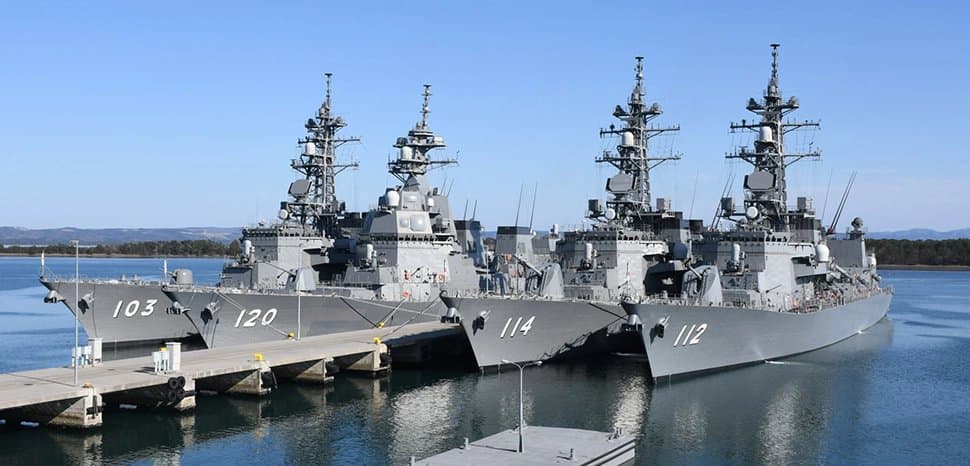
The Indo-Pacific region is witnessing a significant transformation with the recent maritime pact between Japan and the Philippines. This agreement marks a pivotal shift in the security dynamics of the region, emphasizing the necessity of shared security among nations facing common threats.
A New Maritime Front: Strategic Necessity
The defense pact between Japan and the Philippines, established in January 2026, is more than a regional arrangement; it represents a strategic alliance aimed at addressing the escalating tensions in the Indo-Pacific. This pact institutionalizes cooperation between the two nations, allowing their forces to train, refuel, and operate together. Such an arrangement is unprecedented for Japan outside its closest allies and is existential for the Philippines, which faces increasing challenges in the South China Sea.

Context and Background: Rising Tensions
The numbers highlight the urgency of this alliance. Over the past five years, Chinese Coast Guard vessels have conducted over 130 patrols around the disputed Senkaku/Diaoyu Islands. In the South China Sea, the frequency and intensity of such encounters are even greater. In one incident, a Filipino sailor suffered a severe injury due to a ramming incident involving a Chinese coastguard vessel, underscoring the tangible risks involved.
The Role of Joint Exercises
Joint military exercises between Japan, the Philippines, Australia, and the United States have increased, reaffirming the importance of freedom of navigation and adherence to international maritime law. These exercises not only enhance military readiness but also serve as a deterrent against aggressive actions in disputed waters.
Implications for ASEAN and Beyond
The implications of the Japan-Philippines alliance extend beyond the two nations involved. For ASEAN countries, the South China Sea is not just a geopolitical chessboard; it is vital for economic development and security. Countries like Vietnam and Malaysia face regular challenges in their offshore territories, which are crucial for their energy security and economic stability.
The Regional Response
Beijing's reaction to the pact has been predictably aggressive, accusing Japan of reviving militarism. However, the reality is that China's assertive actions in the region have left little room for strategic ambiguity. Southeast Asian nations increasingly see neutrality as a vulnerability, prompting them to seek stronger alliances.
A Broader Geopolitical Shift
This maritime pact signals a broader geopolitical shift. Allies like South Korea, India, and European partners are closely observing Japan's deeper engagement in the region. The defense of maritime norms is becoming a collective responsibility, requiring presence, coordination, and political will.
Economic Interdependence vs. Strategic Rivalry
The long-held belief that economic interdependence would mitigate strategic rivalry is being tested. The maritime disputes in the Indo-Pacific are a stark reminder that prosperity on land is intricately linked to peace at sea. The Japan-Philippines pact is a response to this reality, highlighting the necessity of maintaining dignity and security in international waters.
Conclusion: A New Era of Cooperation
The Tokyo-Manila maritime pact is a testament to the evolving security landscape in the Indo-Pacific. It underscores the need for regional cooperation and shared security in the face of common threats. As nations in the region and beyond adapt to these changes, the importance of alliances and strategic partnerships will continue to grow, shaping the future of global security dynamics.
The implications of this alliance are far-reaching, resonating across Southeast Asia and beyond. As the region navigates these turbulent waters, the importance of cooperation and mutual support will be paramount in maintaining stability and peace.