Category:
Conflicts & SecurityRussia's Gray Zone Warfare in Europe
Understanding Russia's Gray Zone Warfare 🎯
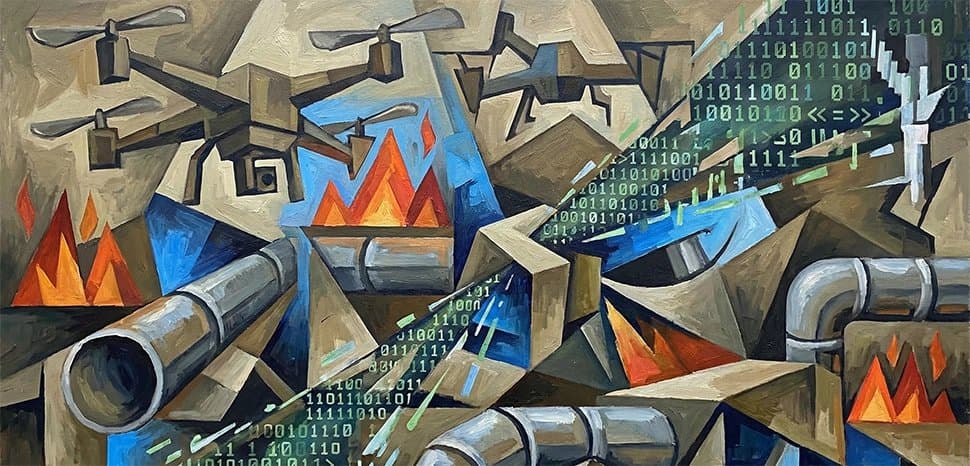
Russia's gray zone warfare in Europe is a complex and evolving threat that has captured the attention of security analysts worldwide. This strategy is characterized by ambiguous, deniable actions that fall below the threshold of conventional warfare. It involves a blend of cyber operations, disinformation campaigns, and covert sabotage activities.
The Mechanics of the Gray Zone 💡
Gray zone tactics exploit the ambiguity in international law and norms, allowing Russia to pursue its geopolitical objectives without triggering a full-scale military response. The use of non-state actors, social media recruitment, and the digital landscape has expanded the operational reach of these tactics.
Modus Operandi 🚀
One noted tactic involves using commercial vessels to damage undersea cables. This is done by enlisting third-party operators who drag anchors along the seabed, severing critical infrastructure. Such operations are particularly suited to the Baltic Sea due to its shallow waters and vital undersea cables.

The Allure of Deniability 🔍
The appeal of these operations is their deniability. By utilizing amateur operatives, often recruited via social media, Russia can maintain plausible deniability. These operatives, sometimes unaware of the broader strategy, are driven by monetary incentives rather than ideological motivations.
Risks and Challenges ⚠️
The downside of relying on amateurs is the increased risk of exposure. Many operatives, when captured, reveal details about their recruitment and activities, thereby compromising the deniability of the operations.
Countermeasures and Responses 🛡️
European nations are increasingly aware of these threats and are formulating responses to counter them. The launch of NATO's 'Baltic Sentry' initiative, which includes deploying military assets to monitor and protect infrastructure, highlights efforts to deter sabotage activities.
Strategic Implications and Future Outlook 📈
Russia’s gray zone warfare presents a significant challenge to European security. As nations adapt to this unconventional threat, the balance between maintaining peace and asserting defensive measures becomes crucial. The ongoing geopolitical chess game in Europe will undoubtedly continue to evolve, with gray zone tactics remaining a key element of Russia’s strategy.
Conclusion 🌍
In navigating this modern battlefield, understanding the nuances of gray zone warfare will be essential for policymakers and security experts. As the tactics continue to adapt, so too must the strategies to counter them, ensuring stability and security in the region.