Category:
Conflicts & SecurityManila Embraces Minilateralism for Security
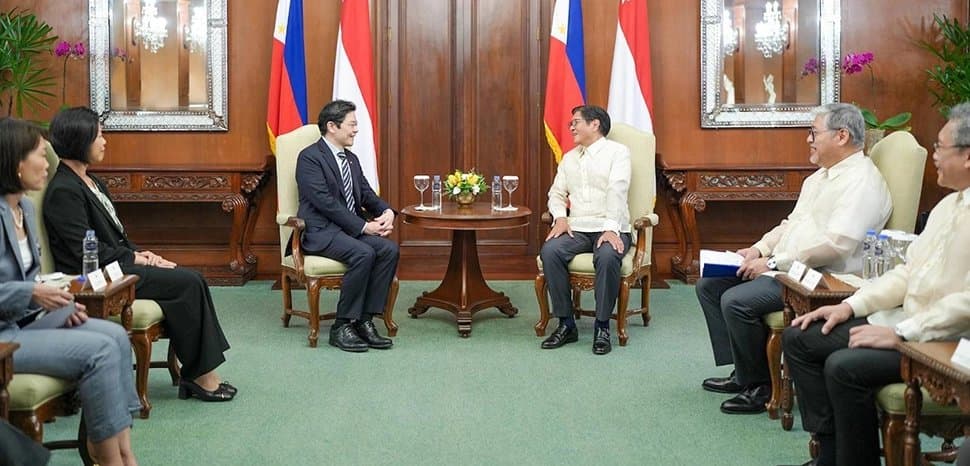
The Philippines is navigating a turbulent geopolitical landscape by embracing a strategic shift towards minilateralism, a move aimed at bolstering its national security amidst regional tensions. This pivot reflects an evolving foreign policy landscape where nimbleness and targeted alliances are becoming increasingly crucial. 🇵🇭✨
The Rise of Minilateralism in Manila
Minilateralism refers to the formation of small, flexible coalitions that target specific issues, diverging from traditional multilateral frameworks. For Manila, this approach is not just a preference but a necessity, given the mounting challenges in the South China Sea. This body of water, through which an estimated $3.36 trillion worth of goods pass annually, is vital for global trade and regional stability. 💼🌊
Strategic Partnerships
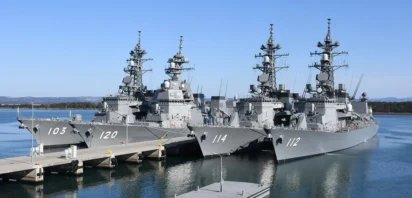
In recent years, the Philippines has engaged in a series of defense agreements with countries including the United Kingdom, France, and South Korea. These partnerships are designed to enhance military capabilities and address shared security concerns. Notably, these agreements extend beyond traditional military cooperation to include disaster risk mitigation and humanitarian assistance. This broadens the scope of collaboration, making it multifaceted and robust. 🤝
The Role of the United States
Despite Manila's pivot to minilateralism, its relationship with the United States remains a cornerstone of its defense strategy. The Mutual Defense Treaty of 1951 continues to serve as a bedrock for bilateral security relations. However, the Philippines is strategically expanding its network of allies to include new partners outside the traditional sphere of influence. 🌐
ASEAN Dynamics and Challenges
The shift towards minilateralism also highlights the limitations of the Association of Southeast Asian Nations (ASEAN). While ASEAN provides a platform for dialogue, its consensus-driven approach often falls short in addressing urgent security threats. The Philippines' proactive stance underscores a broader regional trend where countries seek alternative avenues to ensure their sovereignty and security. 🛡️
Bilateral Agreements and Regional Impact
The Philippines' recent defense agreements with Singapore, marked by the signing of a Memorandum of Understanding (MOU) on defense cooperation, exemplify this strategy. These agreements focus on anti-terrorism and military education, reinforcing the commitment to shared regional security goals. Such collaborations also signal a shift in how Southeast Asian nations view strategic partnerships amid rising tensions with China. 📈
Looking Ahead
As the Philippines continues to navigate its complex security environment, the emphasis on minilateralism is likely to grow. This approach not only strengthens national defense but also contributes to maintaining the rules-based order in the Indo-Pacific. For Manila, the challenge lies in balancing these new alliances while maintaining its historical ties, particularly with the United States. 🔍
Conclusion: A New Era of Diplomacy
The Philippines' adoption of minilateralism is both a strategic necessity and a forward-thinking approach to modern diplomacy. By building targeted alliances, Manila aims to secure its borders, uphold international law, and foster regional stability. As geopolitical tensions persist, this model of cooperation may well set a precedent for other nations facing similar challenges. 🌟
With these evolving dynamics, Manila stands as a beacon for strategic adaptability in an increasingly interconnected world. The success of this approach will depend largely on the ability to continually adapt to shifting geopolitical currents and leveraging new partnerships to safeguard its future. 🔮