Category:
Conflicts & SecurityIsraeli-Hezbollah Tensions: On the Brink of Conflict?
The longstanding tension between Israel and Hezbollah seems to be reaching a boiling point once again. As of late 2025, the fragile calm brokered by the Israel-Lebanon ceasefire agreement is increasingly under strain, raising concerns of a potential new conflict.
Renewed Hostilities
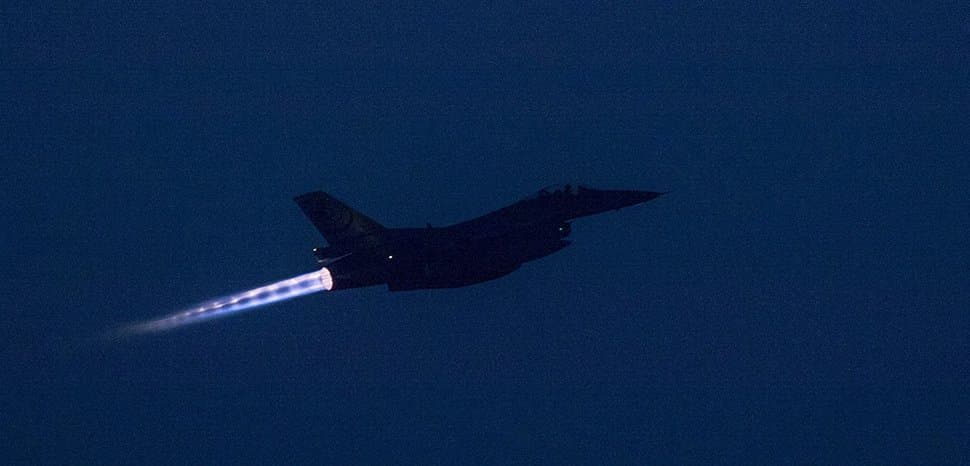
Recent Israeli airstrikes against Hezbollah targets in southern and eastern Lebanon have reignited fears of escalation. These strikes, deemed ‘preventive’ by Israeli officials, aim to disrupt Hezbollah's efforts to rebuild its military infrastructure, particularly its rocket capabilities.

The Strategic Landscape
Hezbollah's rearmament efforts are reportedly facilitated by smuggling routes from Syria, allowing the group to replenish its stockpile with Iranian-made Fateh-110 missiles. This activity is viewed by Israel as a direct violation of the UN Security Council Resolution 1701, which mandates the withdrawal of armed groups north of the Litani River.
Lebanon's Internal Struggle
The Lebanese government, led by President Joseph Aoun, is under intense international pressure to dismantle Hezbollah’s military capabilities. However, the group's entrenched role in Lebanon’s political landscape complicates efforts to enforce disarmament. Any forceful action could trigger internal strife, potentially plunging Lebanon back into civil war.
Regional Implications
The broader geopolitical context further complicates the situation. Hezbollah is seen as a key component of Iran’s regional deterrence strategy, alongside allied groups in Syria, Iraq, and Yemen. This network poses a multifaceted threat not only to Israel but to broader Middle Eastern stability.
Israel's Strategic Calculus
For Israel, maintaining military superiority is crucial. Prime Minister Benjamin Netanyahu faces domestic criticism over perceived security lapses, making decisive military action against Hezbollah a potential means to restore public confidence. However, a full-scale conflict could stretch Israeli resources, especially given ongoing tensions with Iran and instability in Gaza.
Hezbollah's Restraint and Readiness
Despite provocations, Hezbollah has largely refrained from major cross-border attacks since early 2025, focusing instead on rebuilding its capabilities. This restraint is shaped by Lebanon’s economic crisis and the strategic calculus of maintaining Hezbollah as a deterrent against Israel without engaging in unwinnable conflict.
The Path Forward
The current trajectory suggests a precarious balance. Both sides engage in a cycle of action and reaction, with each move potentially escalating towards broader conflict. The international community's role in mediating and maintaining regional stability is more crucial than ever.
Conclusion
While the situation remains volatile, both Israel and Hezbollah appear to be practicing a form of strategic restraint, aware of the dire consequences a full-scale war could entail. The coming months will be critical in determining whether diplomacy can prevail or if the region will plunge into conflict yet again.