Category:
Conflicts & SecurityGold and Geopolitical Risk: M23 War Chest Grows
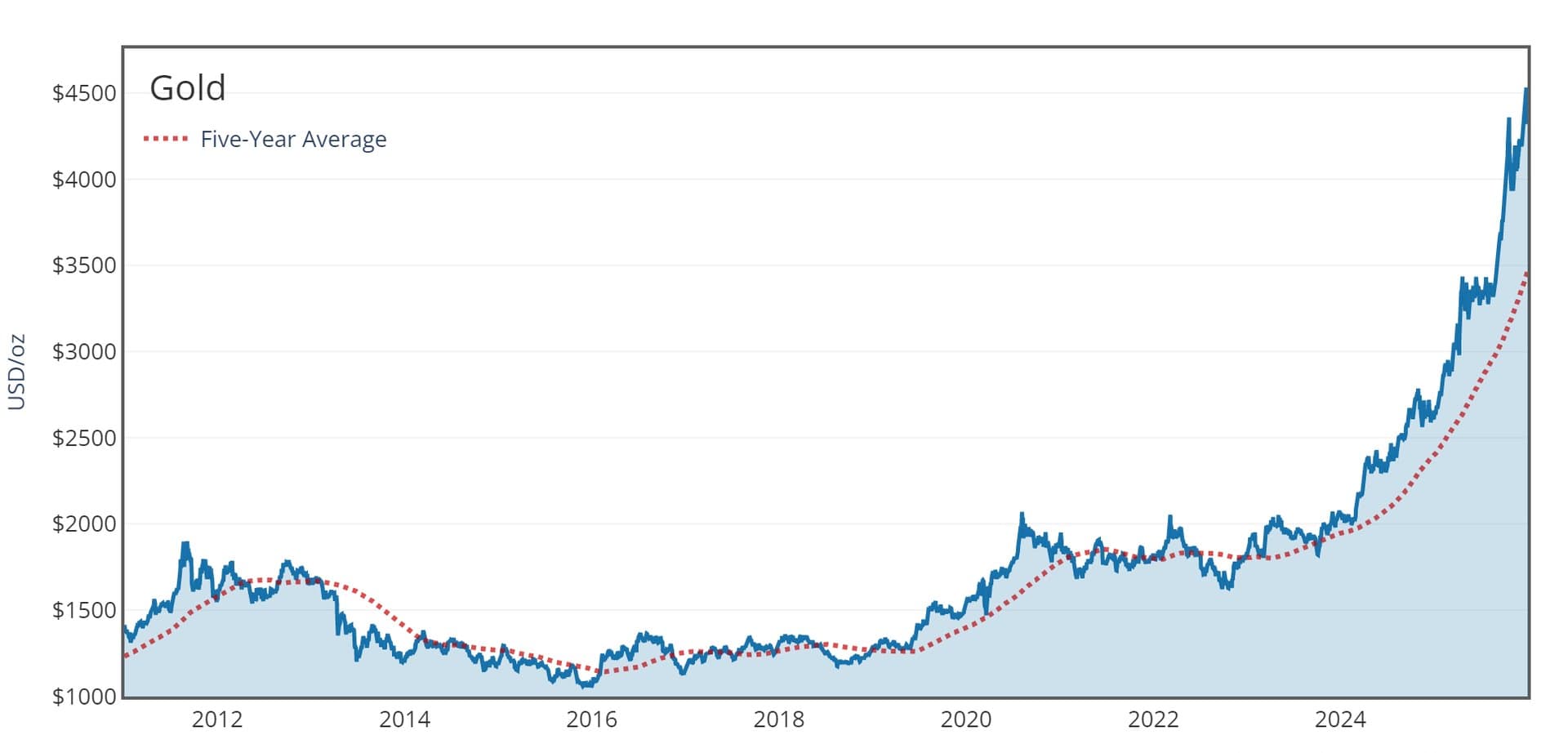
The glitter of gold often masks a darker reality of conflict and chaos. The ongoing turmoil in Eastern Democratic Republic of Congo (DRC) is a testament to how this precious metal fuels geopolitical strife. Let's delve into how gold's allure amplifies the conflict, particularly with the M23's resurgence.
The Lure of Gold in Conflict Zones ✨
Gold prices have surged by 84% over the last year, drawing investors seeking safe havens amid global instability. This surge isn't merely an economic indicator; it’s a key driver in the complex web of global conflicts. Gold's portability and the ease of laundering its origin make it the currency of choice for militant groups worldwide. The struggle between the M23 rebels and the Congolese government exemplifies this phenomenon.

M23's Strategic Moves and Gold's Role 🔥
The M23, a predominantly Tutsi militant group, defected from the DRC military in 2012, launching a protracted conflict against the government forces. With backing from Rwanda, the M23 has seized key territories, including Goma and Bukavu, crucial cities in North and South Kivu. These victories are not just strategic but also economic, as these regions are rich in minerals, particularly gold.
The Recent Dynamics in South Kivu
South Kivu's mineral wealth, specifically in Fizi, has become a focal point in recent skirmishes. Despite a US-brokered peace deal in December 2024, which the M23 was not a part of, the group has continued its advances, capturing and later withdrawing from the strategic city of Uvira. This withdrawal coincided with potential new US sanctions against Rwanda, highlighting the geopolitical undercurrents at play.
Gold's Path from Mine to Market 🌍
The wealth generated from North and South Kivu's gold never benefits the local populace. Instead, it funds armed groups, state actors, and international networks. Gold revenues are critical for paying soldier salaries and purchasing arms, directly influencing battlefield dynamics. Beyond the battlefield, these funds enrich well-connected elites and reinforce transnational crime networks that sidestep due diligence processes.
The Global Implications of Conflict Gold 💫
The flow of illicit conflict gold extends beyond the borders of the DRC. Rwanda and the UAE emerge as pivotal players in this supply chain, exporting and refining gold that eventually reaches global markets. This process consolidates crime networks and undermines efforts to prevent conflict gold from entering legitimate markets.
Economic Incentives and Vested Interests
The rising price of gold creates significant financial incentives that entrench these networks. As prices soar above $5,000 per ounce, the motivation to exploit this resource intensifies, making peace negotiations even more challenging.
Conclusion: Navigating the Complex Geopolitical Landscape
The intersection of gold and geopolitical risk in the DRC underscores the intricate relationship between natural resources and conflict. The M23's war chest, swollen by gold revenues, is a stark reminder of the economic dimensions of warfare. As the world watches the ongoing Kinshasa-M23 peace talks in Qatar, the future of this conflict remains uncertain. The global community must address the root causes driving these dynamics to pave the way for lasting peace.
Key Takeaways and Future Outlook
- Gold's Value: Beyond economic gains, gold is a strategic asset in conflicts.
- M23's Strategy: Control over mineral-rich regions strengthens their position.
- Global Networks: Illicit gold trade supports transnational crime networks.
- Pressure Points: Sanctions and negotiations are crucial in shaping future outcomes.
The story of gold and conflict in Eastern DRC is a microcosm of broader geopolitical challenges, demanding comprehensive strategies that address both economic incentives and security concerns.