Category:
Conflicts & SecurityFuture of Sudan: Division or Reconciliation?
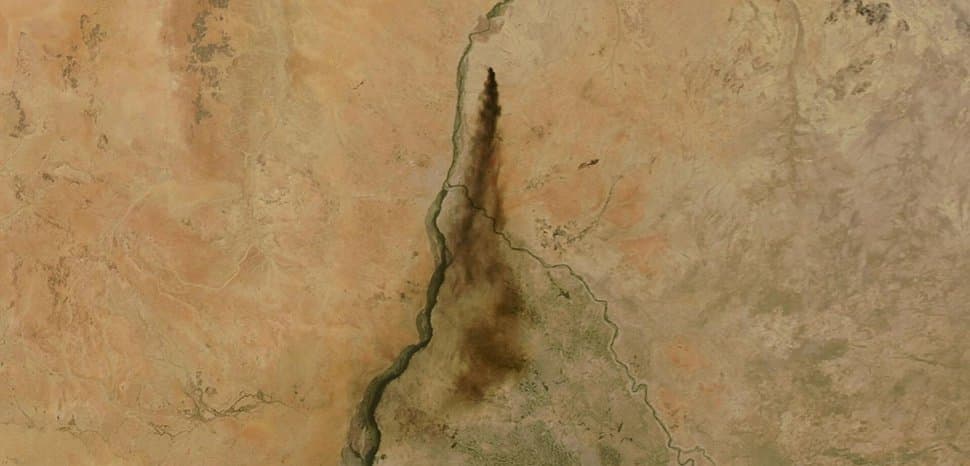
In recent years, Sudan has been engulfed in a civil war that is reshaping its future. The conflict began as a power struggle between the Sudanese Armed Forces (SAF) and the Rapid Support Forces (RSF), but it has morphed into a deeper crisis threatening the nation's very fabric. This article delves into the possibility of Sudan's permanent partition and the implications on regional stability.
Escalating Conflict: Sudan's Civil War 🌍
Sudan's civil war, now nearing its third year, is a protracted and complex struggle. Initially, it was a power contest between General Abdel Fattah al-Burhan's SAF and General Mohammed Hamdan Dagalo's RSF. However, the conflict has evolved into a broader battle over Sudan's identity and future.
A Nation Divided ⚔️
Today, Sudan is effectively split into two distinct regions. The RSF controls western Sudan, including Darfur, while the SAF holds Khartoum, the eastern regions, and the vital Red Sea corridor. Each side operates its own administration, economy, and security forces, creating two competing statelets.
International Mediation Efforts 🕊️
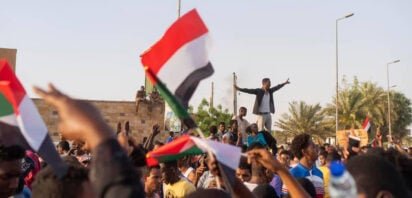
The international community, including the United States, Egypt, Saudi Arabia, and the UAE, collectively known as the "Quad," has attempted to mediate a ceasefire. While the RSF has shown willingness, the SAF remains resistant due to its alliance with powerful Islamist groups integral to its war effort. This resistance has resulted in a diplomatic stalemate, with both factions occasionally agreeing to temporary truces without committing to lasting peace.
Impacts of a Possible Partition 📉
Even if a ceasefire is achieved, Sudan may remain divided, with ongoing ethnic violence and political fragmentation. The humanitarian crisis is worsening, with millions displaced and in need of aid. Regional powers are also pursuing their interests on Sudanese territory, further complicating the situation.
Historical Context and Future Prospects 📜
Sudan's current predicament is rooted in its historical context. The country's diverse ethnic and political landscape has long been a source of tension. The ongoing conflict could lead to a permanent partition, a reality that would have profound implications for regional stability and international relations.
The Role of Regional Powers 🛡️
The involvement of regional powers adds another layer of complexity. Egypt, Saudi Arabia, and the UAE each have strategic interests in Sudan, which influence their diplomatic efforts. Meanwhile, the humanitarian crisis demands international attention and action.
What Lies Ahead? 🔮
Sudan's future remains uncertain. A permanent partition could solidify the division, while successful mediation could pave the way for reconciliation and rebuilding. The international community's role will be crucial in navigating this delicate situation.
Conclusion: The Path Forward 🚀
As Sudan grapples with its internal conflicts and external pressures, the question remains: will it mend its divisions or succumb to permanent partition? The outcome will significantly impact not only Sudan but also regional and global dynamics. The world watches closely, hoping for peace and stability to emerge from the shadows of war.