Category:
Conflicts & SecurityDrone Warfare Over Sudan: Siege from the Air
The Rise of Drone Warfare in Sudan
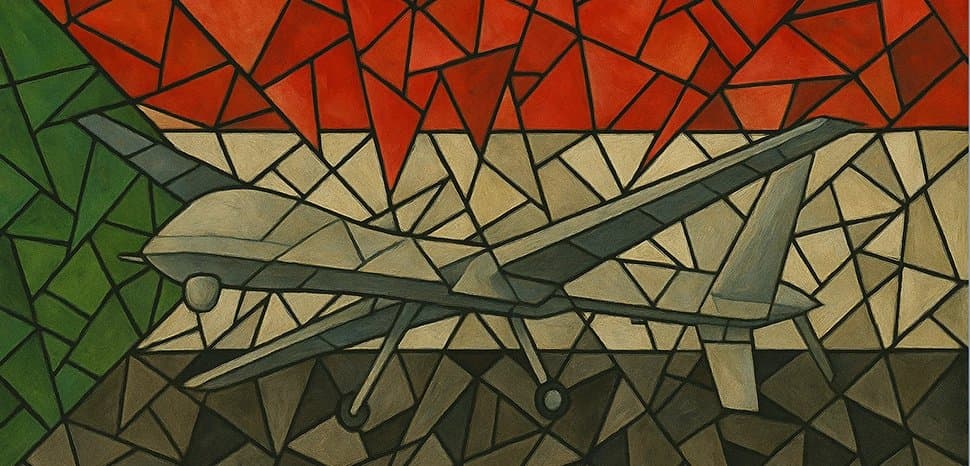
In recent years, the Sudan conflict has witnessed a dramatic transformation with the introduction of drone warfare. Once a peripheral technology, drones have become pivotal in the strategies of Sudan's warring factions, particularly the Rapid Support Forces (RSF) and the Sudanese Armed Forces. This shift has escalated the conflict into one of the most severe humanitarian crises globally, leaving thousands dead and millions displaced.
A Devastating Human Toll
Drone strikes have wrought havoc in civilian areas, causing immense devastation. In just one incident on October 11, 2025, a drone strike by the RSF at a displacement shelter in El Fasher killed at least 57 people, including women and children. Such attacks highlight the indiscriminate nature of drone warfare in Sudan, where civilian infrastructure like hospitals, schools, and marketplaces have become targets.
Strategic and Tactical Shifts
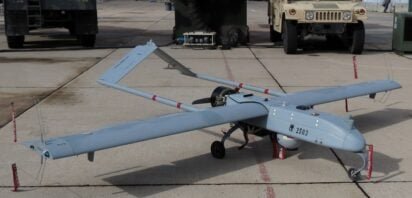
Initially, the conflict in Sudan was characterized by ground combat and artillery. However, the RSF's adoption of drones has shifted the dynamics significantly. These unmanned aerial vehicles are employed not just for reconnaissance but as tools for precision strikes—or, more often than not, indiscriminate attacks that terrorize civilians. This strategy has turned urban centers into battlefields, with cities like Khartoum and El Fasher bearing the brunt of aerial sieges.
Infrastructure as a Target
A particularly alarming trend in Sudan's drone warfare is the targeting of critical infrastructure. In January 2025, a series of drone attacks crippled Sudan’s electricity grid, causing widespread blackouts and exacerbating the humanitarian crisis by disrupting essential services. Such attacks have been aimed at power plants, dams, and substations, effectively turning basic services into tools of war.
The International Dimension
The proliferation of drones in Sudan is not just a domestic issue; it has significant international ramifications. Reports suggest that RSF forces have acquired drones similar to those used by Houthi rebels and Chinese-made anti-air systems through intermediaries like the UAE, Turkey, and Iran. This influx of advanced weaponry threatens to destabilize the region further, posing a risk of conflict spillover across the Sahel.
Humanitarian Impact and Civilian Suffering
For the people of Sudan, drones have made the war feel omnipresent. The constant threat of aerial attacks has forced civilians to create makeshift bunkers for safety, yet no place feels secure. The once vibrant city of El Fasher is now described as a city of ghosts, with its population dwindling and markets collapsing under the siege.
The Challenge of Accountability
Despite the extensive damage and loss of life, holding perpetrators accountable remains a challenge. Both the RSF and the Sudanese Armed Forces often deny responsibility for civilian casualties, complicating international efforts to investigate potential war crimes. The International Criminal Court faces difficulties in tracking and prosecuting drone strikes due to the remote nature of these attacks and the ease with which evidence can be erased.
Future Implications and the Path Forward
Sudan’s drone warfare underscores the dangers of unchecked military technology proliferation. The international community must enforce stricter arms embargoes and enhance monitoring mechanisms to prevent further escalation. Utilizing satellite imagery, forensic analysis, and open-source intelligence could aid in documenting abuses and supporting future prosecutions.
In conclusion, drone warfare in Sudan has transformed a political power struggle into a high-tech siege, with civilians bearing the greatest burden. The international community faces a critical test: to curb the flow of drones and ensure accountability, or risk further destabilization and human suffering in the region.