Category:
Conflicts & SecurityBlueprint for Northeast Asia Missile Defense
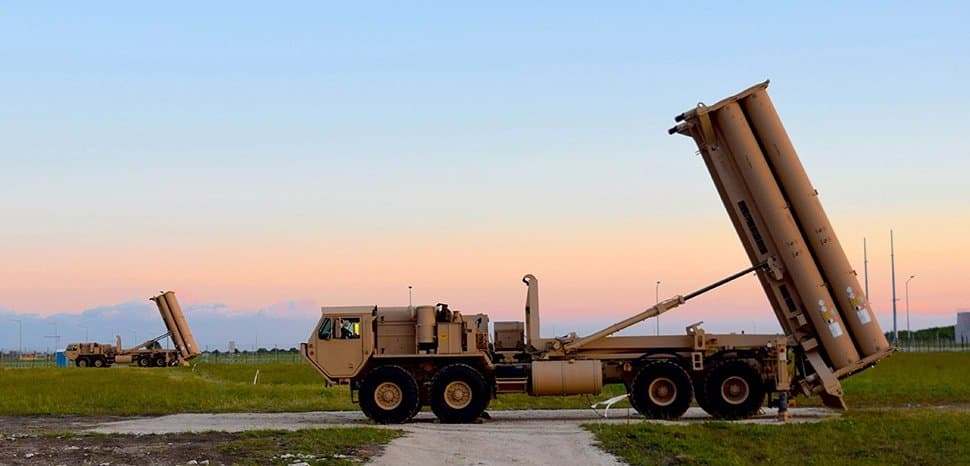
In an era of escalating global tensions, missile defense emerges as a pivotal component of national security strategies. The European Phased Adaptive Approach (EPAA), introduced by the United States in 2009, provides a compelling framework for Northeast Asia to consider. This strategy was initially a response to Iran's ballistic missile advancements but evolved into a broader geopolitical tool. 🌐
A Strategic Necessity
Northeast Asia is currently navigating a complex security environment, characterized by the growing missile capabilities of China and North Korea. The potential for dual contingencies, such as a Taiwan invasion or heightened tensions on the Korean Peninsula, underscores the importance of a robust missile defense system. The finite nature of U.S. defense resources necessitates that regional allies, particularly Japan and South Korea, enhance their cooperation and coordination. 🤝
Lessons from Europe
The EPAA's success lies in its phased implementation strategy. Initially deploying Aegis-equipped ships and forward-deployed radar, the EPAA gradually expanded to include Aegis Ashore systems in Romania and Poland. This incremental approach minimized political backlash while enhancing NATO's collective security.
Three critical lessons can be drawn:
- Gradual Integration: Avoid abrupt changes to ensure political and public buy-in.
- Distributed Systems: Enhance survivability through multi-layered defenses.
- Command Integration: Real-time data fusion is crucial for effective defense.

The Northeast Asian Context
China's missile arsenal is vast and sophisticated, featuring capabilities ranging from anti-ship ballistic missiles to hypersonic systems. In a Taiwan-related conflict, China might prioritize neutralizing U.S. and Japanese bases. North Korea, meanwhile, has developed missiles like the KN-23, which evade traditional interception methods. This dual threat environment demands a concerted defense strategy. 🚀
Japan and South Korea's Capabilities
Japan and South Korea boast advanced missile defense systems. Japan's Aegis destroyers and PAC-3 batteries, alongside upcoming Aegis System Equipped Vessels (ASEV), form a formidable defense line. South Korea's Korea Air and Missile Defense (KAMD) system, complemented by L-SAM and KM-SAM interceptors, further strengthens regional defenses. However, these systems largely operate in isolation.
The Path Forward
To emulate EPAA's success, Northeast Asia could adopt a phased adaptive approach tailored to regional needs:
- Sensor Fusion: Ensure continuous data sharing among Japan, South Korea, and U.S. systems.
- Command Node: Establish a trilateral command center for real-time situational awareness.
- Coordinated Engagement: Develop a unified strategy for missile interception.
Conclusion: Toward a Unified Defense
Europe's EPAA offers a roadmap for Northeast Asia to bolster its missile defense capabilities amid evolving threats. By prioritizing gradual integration, multi-layered systems, and real-time data fusion, Japan and South Korea can create a cohesive defense strategy. Such efforts are essential not just for national security, but for maintaining regional stability in the face of potential crises. 🌟
Ultimately, the success of a Northeast Asian missile defense system will depend on the willingness of regional actors to collaborate and adapt lessons from Europe's experience. This strategic alignment could serve as a deterrent to potential aggressors, ensuring peace and security in the region.